Introduction
Fireplaces have long been a beloved feature of homes, providing warmth, ambiance, and a gathering place for family and friends. Adding a fireplace to an existing home through retrofitting options can bring numerous benefits and elevate the overall atmosphere of the living space.
The Importance of a Fireplace in a Home
A fireplace adds a distinct charm to any home, becoming the focal point of the room it resides in. Beyond mere aesthetics, fireplaces offer practical benefits as well.
The radiant heat emitted by a crackling fire provides natural warmth during cold winter months, reducing reliance on central heating systems and potentially lowering energy costs. Additionally, the soft flickering light creates an intimate and cozy ambiance that enhances relaxation and comfort.
The Benefits of Retrofitting an Existing Home with a Fireplace
Retrofitting an existing home with a fireplace opens up new possibilities for both design and functionality. Firstly, it allows homeowners to enjoy the comfort and luxury that fireplaces bring without having to go through the hassle of moving or building from scratch. Retrofitting also offers greater customization options since homeowners can choose from various types of fireplaces based on their preferences and existing space constraints.
Moreover, adding a fireplace through retrofitting increases property value by enhancing its appeal to potential buyers. Fireplaces are often sought-after features in real estate due to their timeless allure and practicality.
This investment not only provides immediate enjoyment but also has long-term financial benefits should homeowners decide to sell their property in the future. Installing a fireplace in an existing home is more than just an aesthetic enhancement; it brings warmth, ambiance, cost savings on heating bills, customizable design options, increased property value—the perfect combination for creating an inviting space that will be cherished by both inhabitants and visitors alike.
Types of Fireplaces

Wood-Burning Fireplaces
Traditional masonry fireplaces provide a classic and rustic feel to a home. They are built with bricks or stones, with a firebox made of fire-resistant materials.
These fireplaces require a chimney for proper ventilation and typically offer an open hearth design, allowing the crackling sounds and mesmerizing view of burning wood. Prefabricated wood-burning fireplaces, on the other hand, are factory-made units that offer more installation flexibility.
They come in various sizes and designs and are often constructed using metal components. These fireplaces require less construction work compared to masonry ones, making them a popular choice for retrofitting projects.
Gas Fireplaces
Direct-vent gas fireplaces are designed to efficiently burn natural gas or propane while providing warmth and ambiance to your home. They have a sealed combustion system that draws air from outside for combustion and expels the fumes through a vent pipe. This type of fireplace offers convenience as there is no need for wood storage or cleaning up ashes.
Ventless gas fireplaces operate without an external venting system, allowing flexibility in installation locations. They use natural gas or propane as fuel and have built-in safety features such as oxygen depletion sensors to monitor indoor air quality.
Ventless gas fireplaces provide heat directly into the room while showcasing realistic flames through ceramic logs or stones. These various types of fireplaces offer different advantages and considerations when it comes to retrofitting an existing home with the desired fireplace option.
Considerations before Retrofitting
Structural feasibility assessment by a professional contractor or engineer
A professional contractor or engineer should conduct a structural feasibility assessment before retrofitting an existing home with a fireplace. This assessment ensures that the home’s structure can support the weight and necessary modifications of a fireplace.
The contractor or engineer will evaluate factors such as the foundation, load-bearing walls, and overall structural integrity to determine if any reinforcements are needed. They will also consider the location of the fireplace and its proximity to other structures, electrical lines, or plumbing systems to avoid potential hazards.
Local building codes and regulations regarding fire safety and emissions
Before embarking on a fireplace retrofitting project, it is crucial to research and adhere to local building codes and regulations related to fire safety and emissions. These codes are in place to ensure that installations meet specific safety standards for both homeowners and their neighbors.
Compliance with these codes typically includes requirements for proper ventilation, clearance distances from combustible materials, installation of smoke detectors or carbon monoxide alarms, use of appropriate chimney materials, as well as fuel type restrictions. It is essential to consult with local authorities or building departments to understand these regulations fully.
Failure to comply may result in fines or even legal consequences if safety standards are not met. The consideration of structural feasibility by professionals combined with adherence to local building codes ensures that retrofitting an existing home with a fireplace is done safely while minimizing potential risks associated with structural damage or fire hazards.
Masonry Fireplace Retrofitting
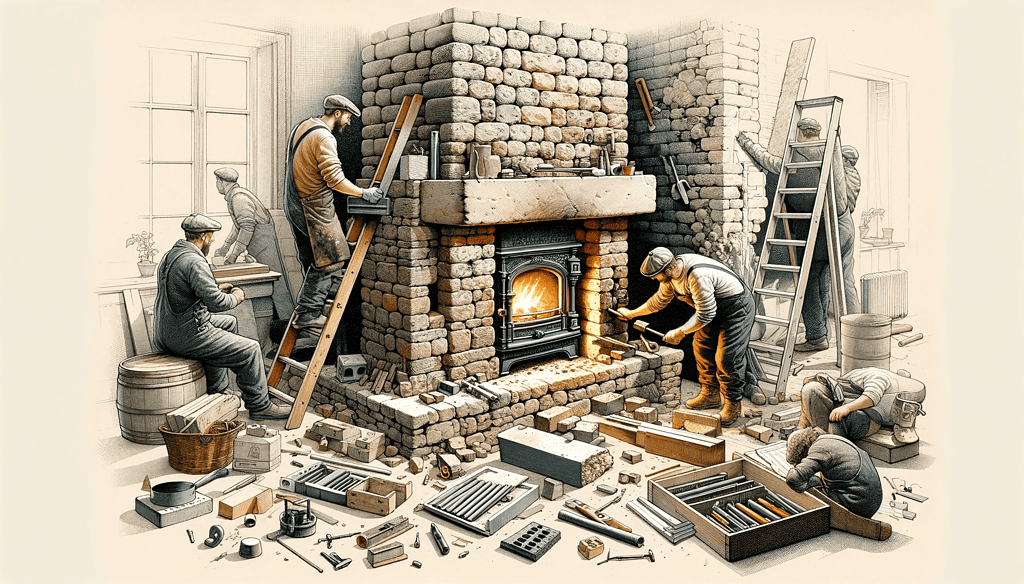
Chimney construction considerations
– Chimneys should meet specific height and diameter requirements for proper functionality. – Materials like brick, stone, or concrete are commonly used for chimney construction. – Flue liner installation options include clay tiles, stainless steel, or cast-in-place systems.
Hearth and surround design ideas
– For a classic look, consider using natural stone like marble or granite for the hearth and surround. – Brick offers a rustic charm that complements traditional or farmhouse-style homes.
– Tile options provide versatility in terms of color, shape, and pattern to match any interior design style. – When choosing a mantel, materials like wood or cast stone can add elegance and character.
Prefabricated Fireplace Inserts
Advantages of prefabricated fireplace inserts
– Prefabricated fireplace inserts offer an easy installation process that saves time and labor. – These inserts often come with energy efficiency features such as adjustable airflow controls and heat distribution blowers. – A wide variety of designs and sizes are available to suit different aesthetic preferences and room sizes.
Disadvantages of prefabricated fireplace inserts
– Customization options may be limited compared to custom-built masonry fireplaces. – Proper venting installation is crucial to ensure safe operation. Professional installation is recommended to avoid potential hazards.
Gas Fireplace Conversion Kits
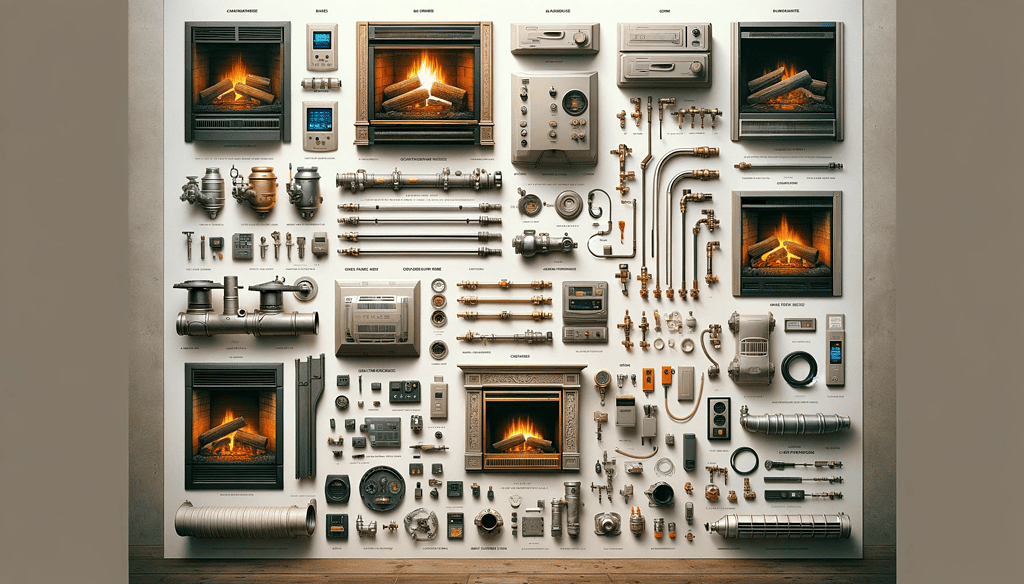
Converting an existing wood-burning fireplace to gas
– Gas fireplace conversion kits allow homeowners to convert their wood-burning fireplaces into clean-burning gas alternatives.
Advantages of gas fireplace conversion kits:
– Gas fireplaces offer ease of use with instant on/off capabilities at the flip of a switch or push of a button. – They provide a cleaner burning fuel option compared to wood, reducing the production of smoke, ash, and particulate matter.
Disadvantages of gas fireplace conversion kits:
– While gas fireplace conversion kits offer convenience, they may lack the ambiance and crackling sounds of a traditional wood-burning fire.
Conclusion
Retrofitting an existing home with a fireplace provides numerous benefits, including added warmth, cozy ambiance, and potential energy savings. Whether you choose masonry retrofitting options that allow for customization or opt for prefabricated inserts or gas conversion kits for simplicity and efficiency, there is a solution to fit every homeowner’s needs.
With careful consideration of chimney construction, hearth design elements, and venting requirements, homeowners can transform their space into a welcoming haven. By exploring these retrofitting options and working with professionals when needed, you can enhance your home’s value and create lasting memories around the fireplace.