Efficient Comfort: Exploring the World of Ductless Mini-Split Heat Pumps
Introduction
Innovative Climate Control Solution
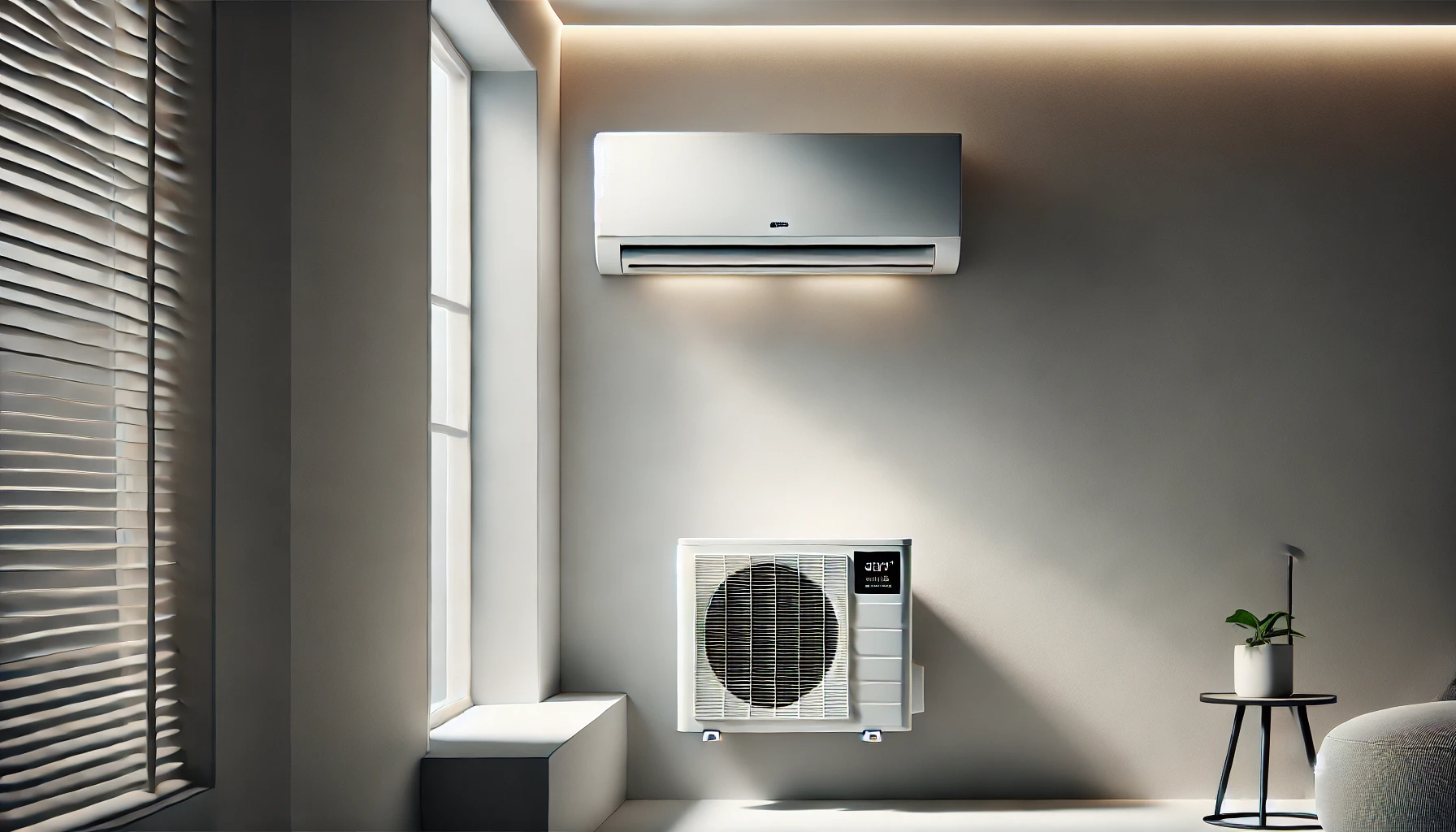
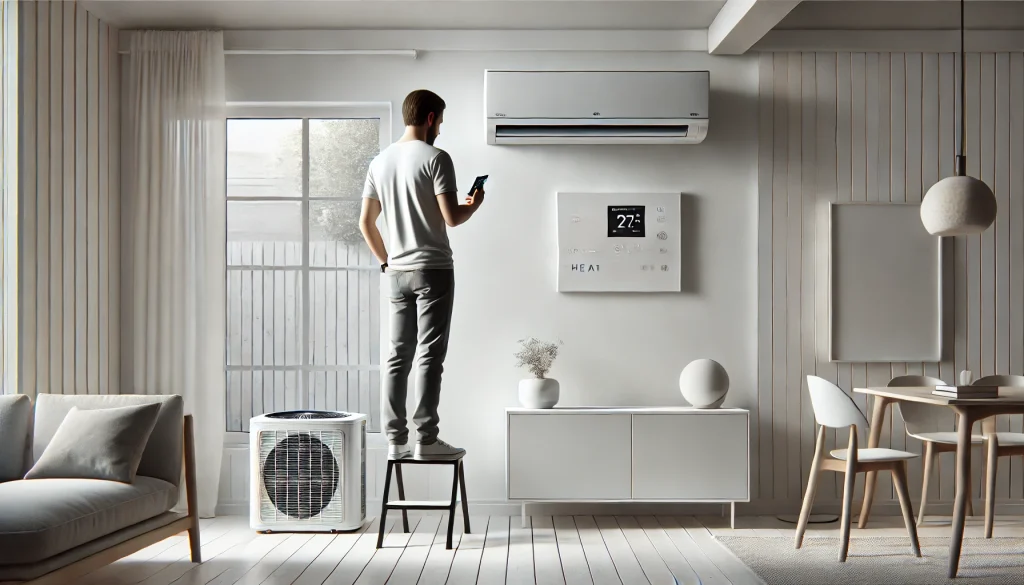
Ductless mini-split heat pumps are efficient HVAC systems that provide heating and cooling without the need for ductwork, making them a versatile option for residential and commercial spaces. These systems consist of an outdoor unit connected to one or more indoor units, allowing for individualized temperature control in different building zones.
Revolutionizing Home Comfort
The best ductless heating system offers precise temperature adjustments, promoting energy savings by only conditioning occupied areas. Using advanced refrigerant technology, ductless mini-split heat pumps can efficiently transfer heat even in extreme temperatures, ensuring consistent comfort year-round. Their compact design and flexible installation options make them ideal for retrofitting older homes or enhancing climate control in new construction projects.
Definition and Function of Ductless Mini-Split Heat Pumps
Ductless mini-split heat pumps are compact HVAC systems that provide heating and cooling functions. These systems transfer heat between the outdoor and indoor units using refrigerant.
The outdoor unit houses the compressor and condenser coil, responsible for releasing or absorbing heat from the surroundings. In contrast, the indoor unit contains the evaporator coil and blower fan to disperse conditioned air into the room.
Components of a Ductless Mini-Split System: Outdoor Unit, Indoor Unit, Refrigerant Lines, and Controls
The outdoor unit of a ductless mini-split system serves as the heart of the operation, housing key components like the compressor and condenser coil. Indoor units, on the other hand, come in various styles, such as wall-mounted, ceiling cassette, or floor-standing models, to suit different interior layouts.
Refrigerant lines connect these units to facilitate heat exchange and accommodate electrical wiring for seamless operation. Additionally, advanced controls offer users precise temperature adjustments and programmable settings for optimal comfort.
How Ductless Mini-Split Systems Differ from Traditional HVAC Systems
Unlike traditional HVAC systems that use ductwork to distribute conditioned air throughout a building, ductless mini-split systems operate without ducts. This design eliminates energy loss associated with ductwork leaks or inefficiencies, resulting in better overall efficiency. Furthermore, ductless mini-split heat pumps offer zoning capabilities that enable users to control temperatures independently in different rooms or zones within a home—providing personalized comfort while saving energy compared to central heating or cooling solutions.
Energy Efficiency and Cost Savings
Ductless mini-split heat pumps are the best ductless heating system for achieving energy efficiency and cost savings compared to traditional heating and cooling systems. These systems operate on a variable-speed compressor, adjusting to the heating or cooling needs of your home in real-time.
By avoiding the energy losses associated with ductwork, ductless mini-splits can be up to 30% more efficient than central air systems. This efficiency translates directly into cost savings on utility bills.
Zoning Capabilities for Personalized Comfort
One of the best features of ductless mini-split heat pumps is their zoning capabilities, allowing for personalized comfort in different areas of your home. With a multi-zone system, you can set different temperatures for individual rooms or zones, maintaining optimal comfort levels throughout your living space.
This flexibility enhances comfort and helps save energy by heating or cooling only occupied areas. For example, you can keep bedrooms cool at night while maintaining a comfortable temperature in the living room during the day.
Easy Installation Process without Extensive Ductwork
Installing a ductless mini-split heat pump is straightforward and hassle-free, making it one of the best ductless heating systems for ease of installation. Unlike traditional HVAC systems that require extensive ductwork throughout your home, ductless mini-splits only need a small hole to connect the indoor unit to the outdoor unit via refrigerant lines.
This simplifies installation and reduces labor costs associated with retrofitting ducts into an existing structure. Additionally, since no ductwork is needed, there’s no risk of energy loss through leaks or poor insulation commonly found in traditional central air systems.
Single-Zone Systems for Individual Rooms or Spaces
These are the best ductless heating systems designed for small apartments or rooms with specific heating/cooling needs. They provide targeted comfort without heating or cooling the entire home.
Single-zone systems have one outdoor unit connected to a single indoor unit, making them ideal for spaces where individual temperature control is desired. Operating independently, these units offer efficient heating and cooling solutions tailored to their area.
Examples of Popular Single-Zone Models on the Market
Among the best ductless heating system options are popular single-zone models from brands like Mitsubishi Electric, Daikin, and LG. The Mitsubishi Electric MZ-GL12NA offers energy-efficient performance with quiet operation suitable for bedrooms or offices.
Daikin’s FTXS Series provides advanced features like intelligent eye sensors and programmable scheduling for personalized comfort. LG’s Art Cool Gallery model stands out with its customizable art panel design, blending seamlessly into home decor while delivering reliable heating and cooling performance.
Multi-Zone Systems for Heating/Cooling Multiple Rooms or Areas
The best ductless heating system options include multi-zone setups, which cater to larger homes or commercial buildings requiring efficient climate control in multiple spaces. These systems feature one outdoor unit connected to multiple indoor units in different rooms or zones throughout the property. Multi-zone configurations allow customized temperature settings in various areas, providing flexibility and energy savings by only conditioning occupied spaces when needed.
Options for Connecting Multiple Indoor Units to One Outdoor Unit
With multi-zone setups being among the best ductless heating system choices, manufacturers like Fujitsu General offer innovative solutions that enable several indoor units to connect seamlessly to a single outdoor unit. This setup simplifies installation while maintaining optimal performance across all connected zones. The Fujitsu Airstage J-IIIL Series allows up to eight indoor units per outdoor unit, providing versatility in designing a comprehensive climate control system tailored to specific room requirements within larger residential properties or commercial establishments.
Choosing the Right Size and Capacity
Ensuring optimal performance of the best ductless heating system requires selecting a unit that aligns with your space’s square footage and insulation levels. A system too small may struggle to heat or cool the area efficiently, while one too large could lead to frequent cycling on and off, affecting energy efficiency. Conducting a precise calculation based on room size, ceiling height, sun exposure, and insulation quality is crucial in determining the appropriate size and capacity needed for your ductless mini-split heat pump.
Assessing Energy Efficiency Ratings
To find the best ductless heating system for your needs, pay close attention to energy efficiency ratings like SEER (Seasonal Energy Efficiency Ratio) and HSPF (Heating Seasonal Performance Factor). The SEER rating indicates cooling efficiency, with higher numbers representing better energy savings.
Similarly, HSPF measures a unit’s heating efficiency during the entire season. Prioritizing models with high SEER and HSPF ratings can help you save on utility costs while reducing your environmental footprint in the long run.
Managing Indoor and Outdoor Noise Levels
Considerations beyond technical specifications when selecting the best ductless heating system include noise levels generated by indoor and outdoor units. Opting for units equipped with advanced sound-dampening technology ensures quiet operation, promoting a peaceful indoor environment without disruptions from loud machinery. By evaluating noise output in decibels (dB) provided by manufacturers for their systems, you can choose a ductless mini-split heat pump that harmoniously blends into your living space while delivering exceptional heating or cooling performance.
Installation Process of Ductless Mini-Split Heat Pump

Efficiently installing a ductless mini-split heat pump begins with selecting the optimal location for the outdoor unit based on factors like accessibility and airflow. It is crucial to mount the outdoor unit securely on a stable surface for its long-term performance. Next, positioning the indoor unit in a strategic spot ensures even distribution of warm or cool air throughout the room, enhancing comfort levels for occupants.
Carefully connecting the refrigerant lines between the indoor and outdoor units guarantees the system’s proper functioning. Ensuring proper insulation around all refrigerant lines prevents energy loss and boosts overall system efficiency.
Thoroughly testing the system after installation verifies that everything works correctly and efficiently before finalizing the setup. Additionally, providing clear instructions to users on operating and maintaining their new ductless mini-split heat pump maximizes its lifespan and performance.
Conclusion
Exploring the world of ductless mini-split heat pumps unveils many benefits, prioritizing efficiency, cost-effectiveness, and personalized comfort in homes or commercial spaces. Embracing this technology signifies a shift towards sustainable heating and cooling solutions that reduce energy consumption and contribute to environmental conservation efforts. By investing in the best ductless heating system, individuals can enjoy enhanced comfort while making eco-friendly choices for a brighter future.