Introduction
Fireplaces have long been a beloved feature in homes, evoking warmth, comfort, and a sense of tradition. However, as mesmerizing as the flickering flames can be, it is crucial to prioritize fireplace safety to ensure the well-being of both occupants and property. Understanding proper precautions and following essential safety tips can prevent accidents and potential disasters.
The Importance of Fireplace Safety

Fireplace safety is of paramount importance due to the potential risks associated with this cherished household amenity. The mesmerizing dance of flames within the confines of a fireplace brings undeniable joy during cold winter nights; however, it also poses inherent dangers if not approached with caution. Fire hazards such as chimney fires, sparks igniting flammable materials nearby, or toxic carbon monoxide emissions can all result from improper usage or neglect.
Moreover, considering that fireplaces are often situated in communal spaces within homes – living rooms or family rooms – where families gather for relaxation and entertainment, ensuring their safety becomes even more critical. The potential impact on human lives cannot be understated; countless incidents have occurred where preventable accidents caused harm or even death.
A Brief History of Fireplaces and Their Significance in Homes
The use of fire for warmth dates back thousands of years when early humans discovered how to control it. The invention of fireplaces revolutionized indoor heating during medieval times when they became an integral part of households across Europe.
In addition to providing warmth during colder months, fireplaces played a central role in cooking meals until the advent of modern stoves. They were also a focal point for socialization and gatherings within communities.
Even today, fireplaces continue to hold symbolic value as they create an inviting ambiance that brings families together on chilly evenings. Over time, fireplaces evolved in design and function.
While traditional wood-burning fireplaces remain popular, gas and electric fireplaces have gained traction for their convenience and ease of use. Regardless of the type, understanding the history and significance of fireplaces allows us to appreciate their allure while remaining mindful of the safety measures necessary to enjoy them responsibly.
Understanding Fireplaces
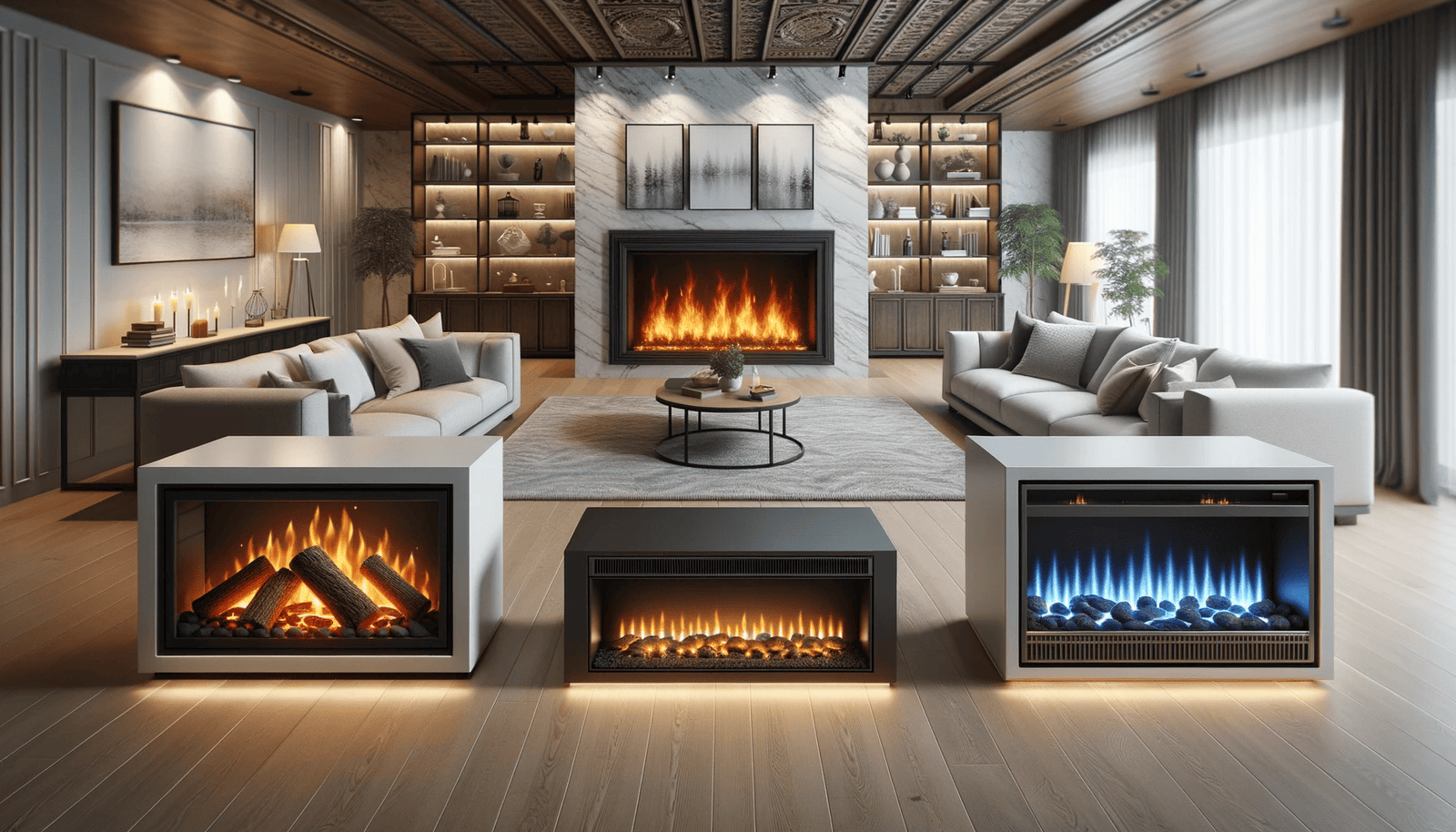
Different types of fireplaces (wood-burning, gas, electric)
Fireplaces come in various types, each with its unique characteristics and benefits. Wood-burning fireplaces have long been a popular choice, providing a rustic ambiance and the crackling sounds of burning logs. They require a steady supply of well-seasoned wood and regular maintenance to ensure safe operation.
Gas fireplaces offer convenience and control, as they can be easily ignited with a flip of a switch or push of a button. They provide warmth without the need for firewood but require proper ventilation to release any combustion byproducts.
Electric fireplaces are an excellent option for those seeking both aesthetics and simplicity. They provide customizable heat settings and may even mimic the appearance of real flames using LED technology.
Components of a fireplace (mantel, hearth, flue, damper)
Understanding the components that make up a fireplace is essential in comprehending its functionality and potential hazards. The mantel serves as both an ornamental feature and provides support for items placed above the fireplace. It should be made from non-combustible materials to prevent accidental fires caused by heat transfer.
The hearth is the area around the fireplace where combustible materials such as rugs or furniture should be kept clear to avoid risks of ignition. The flue plays a crucial role in venting combustion gases outside your home safely.
It is typically located within the chimney structure and must be properly cleaned to prevent blockages that can lead to carbon monoxide buildup or smoke infiltration into living spaces. The damper serves as an adjustable opening within the flue system that controls airflow, allowing smoke to exit while preventing downdrafts when not in use.
How fireplaces work and potential hazards
Fireplaces operate by drawing air from inside your home into the firebox, allowing combustion to occur. The smoke and gases produced are then expelled through the flue and released outside, ensuring indoor air quality remains unaffected.
However, fireplaces can also pose potential hazards if not used or maintained correctly. One common hazard is the buildup of creosote, a highly combustible substance that forms as a result of incomplete combustion.
Creosote can accumulate in the chimney over time and increase the risk of chimney fires. Regular inspections and cleanings are essential to remove creosote buildup.
Another hazard to consider is carbon monoxide (CO) poisoning. This colorless and odorless gas can be produced by malfunctioning or poorly ventilated fireplaces.
Installing carbon monoxide detectors near your fireplace area is crucial for early detection of this deadly gas. Understanding how fireplaces work and being aware of potential hazards associated with their operation allows homeowners to enjoy the warmth and ambiance they provide while ensuring utmost safety for their households.
Chimney Inspection and Cleaning: A Crucial Step in Fireplace Safety
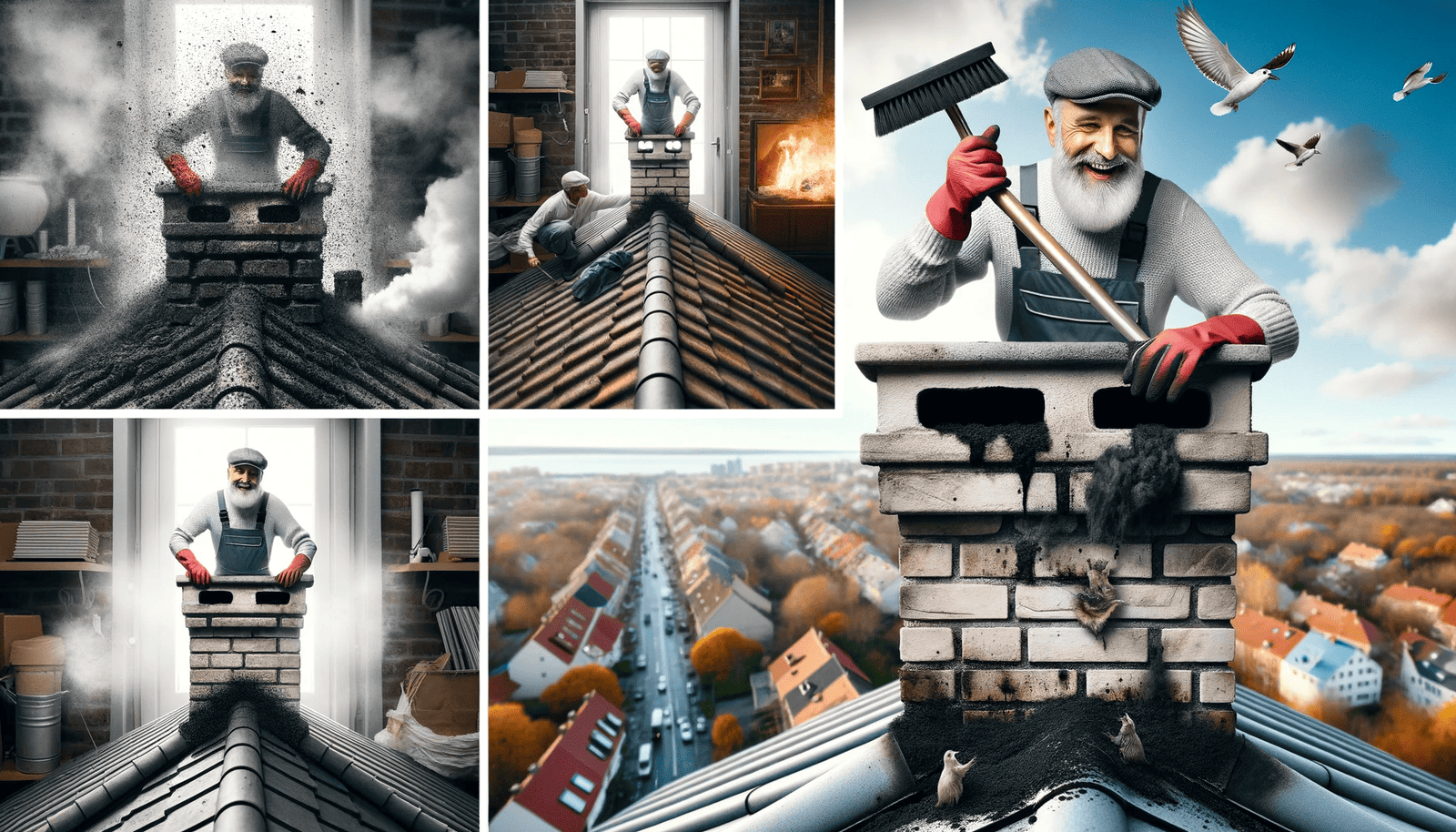
When it comes to fireplace safety, one of the most important aspects to consider is the regular inspection and cleaning of your chimney. Hiring professionals for this task is highly recommended due to their expertise and knowledge in identifying potential hazards that may compromise the safety of your fireplace. Regular inspections by trained chimney sweeps serve multiple purposes.
First and foremost, they help detect any creosote buildup within the flue. Creosote, a highly flammable substance that accumulates over time when burning wood, can lead to chimney fires if not properly removed.
Sweeps have specialized tools to safely remove creosote from the interior walls of the chimney, reducing the risk of fire significantly. In addition to creosote buildup, professionals also inspect for other types of blockages that may obstruct proper ventilation.
Birds’ nests, leaves, or debris can all obstruct the flue and hinder smoke from escaping effectively. Moreover, these obstructions can create backdrafts or force smoke into your home instead of outside.
Ensuring Proper Ventilation: A Breath of Fresh Air for Fireplace Safety
Ventilation plays a crucial role in maintaining a safe environment when operating a fireplace. Opening the damper before starting a fire is essential as it allows smoke and other harmful gases like carbon monoxide (CO) to escape through the chimney instead of entering your home.
To further enhance safety measures related to ventilation, installing carbon monoxide detectors near your fireplace area is highly recommended. Carbon monoxide is an odorless and colorless gas produced during combustion processes such as burning wood or gas in your fireplace.
When operating a fuel-burning appliance like a fireplace indoors without proper ventilation or if there are any leaks or blockages in your chimney system, there is a risk of carbon monoxide poisoning. Installing detectors helps ensure early detection of this deadly gas, providing you and your loved ones with an additional layer of protection.
Remember, the key to fireplace safety is being proactive. Regular inspections and cleaning of your chimney, along with ensuring proper ventilation, are critical steps in preventing potential hazards associated with fireplace usage.
Fireplace Safety Measures
Shielding Sparks and Embers: Fireplace Screens and Doors
The flickering flames dancing within a fireplace create a mesmerizing sight. But as enchanting as they may be, fireplaces pose potential hazards, especially when it comes to sparks and embers that can escape and ignite nearby objects.
That’s where fireplace screens and doors come into play – acting as protective barriers between the fire and the surrounding area.
Spark guard screens: These screens are specifically designed to prevent sparks from flying out of the fireplace while still allowing heat to radiate into the room.
Constructed with fine mesh or metal bars, spark guard screens act as an effective shield against airborne embers, reducing the risk of accidental fires.
Glass doors: Another option for protecting your living space is installing glass doors on your fireplace.
These doors offer an additional layer of protection against sparks while providing a clear view of the crackling fire. They can be closed when the fire is dying down, preventing any remaining embers from escaping into the room.
Benefits of Using Screens and Doors: The primary advantage of using fireplace screens or glass doors is their ability to minimize the risk of sparks causing unintended fires. By preventing hot ashes, glowing coals, or stray embers from reaching flammable materials in close proximity to your fireplace, screens and doors help maintain a safe environment for you and your family.
Fuel Usage: Safety Tips for Different Types of Fireplaces
Properly Seasoned Wood for Wood-Burning Fireplaces: When it comes to wood-burning fireplaces, selecting appropriate fuel is crucial for safety. It’s important to use properly seasoned firewood with moisture content between 15% and 20%.
Well-seasoned wood burns more efficiently, producing less smoke and creosote buildup in the chimney. This significantly reduces the risk of chimney fires, ensuring a safer fireplace experience.
Safety Precautions with Gas or Electric Fireplaces: While gas and electric fireplaces offer convenience and ease of use, they also require specific safety precautions. For gas fireplaces, ensure that all connections are properly installed by a professional to avoid gas leaks.
Regularly inspect the burner assembly for any signs of damage or blockages. When it comes to electric fireplaces, follow manufacturer’s instructions regarding appropriate power usage and avoid overloading electrical circuits.
Clearance Around the Fireplace Area
Maintaining Safe Distance from Furniture and Flammable Materials: Creating adequate clearance around the fireplace is crucial for preventing accidental fires. Maintain a minimum distance of three feet between your fireplace and any furniture, curtains, rugs, or other flammable materials.
This helps minimize the risk of sparks igniting nearby objects.
Keeping Children and Pets Away from the Fireplace: Children’s curiosity can sometimes override their understanding of potential dangers.
Educate them about fireplace safety rules and establish clear boundaries to prevent accidents. Similarly, ensure pets are supervised when near an operating fireplace to avoid any mishaps that could harm both them and your home.
Fireplace Operation Tips
Correct Lighting Techniques
Mastering the art of lighting a fire in your fireplace is not only essential for ambiance but also crucial for safety. A proper fire starts with the right materials and techniques. Begin by ensuring that your flue is open, allowing for proper airflow.
This helps to prevent smoke from billowing back into your home. Next, gather kindling, such as dry twigs, small sticks, or newspaper, to create a base layer for your fire.
Arrange the kindling in a crisscross pattern at the bottom of the fireplace grate or on top of a bed of ashes to promote airflow. Then carefully place larger logs on top of the kindling in a teepee-like formation.
Building a Proper Fire with Kindling and Logs
The key to building an effective fire lies in the combination of proper fuel and air circulation. Use dry seasoned wood as fuel; it burns more efficiently and produces less smoke.
Hardwoods like oak or maple are excellent choices as they burn longer and generate more heat. When placing logs onto the kindling, ensure there is ample space between them to allow oxygen flow while maintaining stability.
To further aid combustion, consider using Firestarters made from natural materials like wax or compressed wood chips instead of accelerants like gasoline or kerosene. These Firestarters ignite easily and provide a steady flame to get your fire going without any harmful fumes or risks associated with accelerants.
Avoiding the Use of Accelerants like Gasoline or Kerosene
While it may be tempting to use accelerants when starting a fire, it’s crucial never to resort to substances like gasoline or kerosene. These highly flammable liquids can cause dangerous flare-ups and uncontrollable fires due to their rapid ignition properties.
Moreover, they release harmful emissions and pose a severe risk to both you and your surroundings. Opting for natural fire-starting materials like Firestarters or newspaper, along with properly seasoned wood, ensures a safer and more enjoyable fireplace experience.
Maintaining a Controlled Burn
Once your fire is lit, it’s essential to maintain a controlled burn to prevent accidents or excessive smoke. Add additional logs as needed while ensuring they do not overcrowd the firebox, impeding airflow.
Monitor the flames regularly and adjust the damper accordingly to regulate heat output and maintain optimal combustion conditions. Avoid closing the damper completely while the fire is still burning to allow proper ventilation and prevent smoke from backing up into your home.
Conclusion
By following these fireplace operation tips, you can enjoy the warmth, beauty, and tranquility that a fireplace brings while prioritizing safety in your home. Correct lighting techniques using kindling and logs, avoiding accelerants like gasoline or kerosene, as well as maintaining a controlled burn are all crucial elements for safe operation.
Remember always to practice caution when operating your fireplace by keeping children and pets at a safe distance and never leaving a fire unattended. With knowledge of these essential tips in mind, you can revel in cozy evenings by the hearth with peace of mind knowing that you are taking every precautions.