Introduction
Indoor fireplaces have long been admired for their ability to create an inviting and cozy atmosphere within a living space. These architectural features serve not only as a source of heat but also as a symbol of comfort, relaxation, and aesthetics.
An indoor fireplace is typically defined as a structure designed to contain and control the burning of fuel for heat generation and ambiance. While the primary purpose is functional, the beauty and allure they bring to any room have made them an integral element of interior design worldwide.
Definition of an Indoor Fireplace
An indoor fireplace can be described as an enclosed hearth or firebox constructed within the confines of a building’s interior. It provides controlled access for burning various fuels such as wood, gas, electric elements, or bioethanol.
The firebox is typically surrounded by decorative materials like bricks, stone, or metal to enhance its aesthetic appeal. A chimney or venting system is essential to channel out the by-products of combustion safely.
Throughout history, indoor fireplaces have held significant importance in households around the world. They were once indispensable sources of heat during colder seasons when central heating systems were absent.
Today, while modern heating methods have taken over functional heating duties, indoor fireplaces continue to captivate homeowners with their unique charm.
The popularity of indoor fireplaces can be attributed to several factors. Firstly, they offer a focal point that draws people together in shared spaces like living rooms or gathering areas within homes.
The crackling sound and mesmerizing dance of flames evoke feelings of comfort and relaxation that cannot be replicated by other means. Moreover, indoor fireplaces bring undeniable aesthetic value to any room’s design scheme.
They serve as timeless statement pieces that can enhance the overall ambiance and architectural character of a space. Whether a traditional masonry fireplace or a sleek, contemporary design, they provide an opportunity to showcase personal style and creativity.
Additionally, indoor fireplaces have gained popularity due to their versatility. With advancements in technology, various types of indoor fireplaces have emerged to cater to different needs and preferences.
From traditional wood-burning fireplaces to modern gas and electric alternatives, homeowners can choose the type that aligns with their lifestyle, heating requirements, and environmental concerns. Indoor fireplaces embody both functionality and beauty.
They are more than just heating sources; they represent an age-old tradition of gathering around the hearth while adding elegance and charm to any living space. Whether as a cozy retreat from chilly evenings or as striking focal points in grand rooms, indoor fireplaces continue to stand the test of time as beloved architectural features cherished by homeowners worldwide.
Traditional Fireplaces
Masonry Fireplaces

Sublime Craftsmanship and Timeless Beauty Masonry fireplaces, regarded as the epitome of traditional charm, are constructed using a variety of durable materials such as brick, stone, or concrete blocks. The process involves meticulous craftsmanship and attention to detail, resulting in a fireplace that becomes the focal point of any room.
Skilled masons skillfully build these fireplaces by laying bricks or stones using mortar, creating a sturdy and visually appealing structure. One advantage of masonry fireplaces is their ability to efficiently radiate heat throughout a space due to their robust construction.
They have the capacity to retain heat for an extended period even after the fire has died down. However, this strength can also be considered a disadvantage in certain situations as it takes longer for the fireplace to warm up compared to other types.
Moreover, masonry fireplaces offer endless design options as they can be custom-built according to individual preferences and architectural requirements. From classic brick patterns to intricate stone designs or even incorporating decorative elements like mantels and hearths, these fireplaces provide homeowners with limitless possibilities for personalizing their space.
Prefabricated Fireplaces
Efficient Convenience Wrapped in Factory-Built Packages In contrast to masonry fireplaces that are constructed on-site from scratch, prefabricated (or prefab) fireplaces are pre-manufactured units designed for convenient installation.
These factory-built units consist of insulated metal boxes encased within artificial materials that mimic natural masonry appearance. Prefabricated fireplaces offer several advantages over their traditional counterparts.
First and foremost is their relatively quick installation process which requires less time compared to constructing a masonry fireplace from scratch. They come with clear instructions and can often be installed by homeowners themselves or with minimal professional assistance.
Energy efficiency is another key feature of prefab fireplaces that sets them apart. These units are designed with insulation materials that prevent heat loss and increase the fireplace’s overall efficiency.
This not only helps in reducing energy consumption but also contributes to lower heating costs. Additionally, prefab fireplaces come in a wide range of styles and designs to suit various interior aesthetics.
Homeowners can choose from different finishes, faux stones, or even customize the mantel options to create a fireplace that seamlessly integrates with their decor. By offering convenience, efficiency, and versatility, prefabricated fireplaces have gained popularity among homeowners seeking an elegant yet hassle-free fireplace option.
Modern Fireplaces

Embracing Innovation and Efficiency In today’s modern world, fireplaces have evolved to cater to the needs and preferences of contemporary homeowners.
Modern fireplaces not only provide warmth but also serve as stylish focal points that enhance the ambiance of any indoor space. Among the various options available, gas and electric fireplaces have gained significant popularity due to their convenience, efficiency, and versatility.
Gas Fireplaces
Efficient Heat with Captivating Flames Gas fireplaces offer a convenient alternative to traditional wood-burning fireplaces.
Among the different types of gas fireplaces, direct-vent gas fireplaces stand out for their exceptional functionality and aesthetic appeal. These units feature a sealed combustion system that draws in air from outside for combustion while expelling the fumes through a venting system.
Direct-vent gas fireplaces work by igniting natural gas or propane within a closed combustion chamber. The flames dance behind a heat-resistant glass panel, providing an authentic fireplace experience with minimal heat loss.
They offer several benefits for heating and ambiance, including adjustable flame settings, remote control operation, and even built-in fans for distributing heat efficiently throughout the room. Moreover, safety is paramount when it comes to gas fireplaces.
Direct-vent models are designed with multiple safety features like oxygen depletion sensors (ODS) that automatically shut off the fireplace if oxygen levels become inadequate. Additionally, most units come equipped with temperature controls and cool-to-touch surfaces to prevent accidental burns.
Moving on to ventless gas fireplaces – while they provide flexibility in terms of installation location since no chimney or external ventilation is required – they come with their own set of considerations. Ventless designs draw combustion air from inside the room and release exhaust gases back into it after removing harmful substances through an advanced catalytic converter system.
While ventless gas fireplaces can be a cost-effective heating solution, it is crucial to weigh the pros and cons before deciding on this option. On the positive side, they offer exceptional convenience, providing warmth even in power outages.
However, proper room ventilation is essential to maintain good air quality. Additionally, installation requirements include complying with specific room size limitations and sometimes necessitating additional oxygen sources.
Electric Fireplaces
Transforming Spaces with Style and Ease Electric fireplaces have emerged as a highly versatile and user-friendly option for homeowners seeking both aesthetic appeal and practicality.
These innovative units come in various types, each catering to different preferences and space requirements. Wall-mounted electric fireplaces add a touch of elegance to any room while saving valuable floor space.
They can be seamlessly integrated into existing wall structures or mounted on specially designed brackets for a floating effect. Electric fireplace inserts are another popular choice as they provide an opportunity to convert traditional wood-burning fireplaces into efficient electric ones without major renovations.
Freestanding electric fireplaces offer flexibility and portability as they can be easily moved from one room to another or even relocated during home renovations. Furthermore, electric fireplace TV stands serve as multifunctional pieces of furniture that combine an entertainment center with the ambiance of a fireplace.
Advantages of electric fireplaces extend beyond their stylish designs. They are highly energy-efficient since no heat is lost through ventilation systems or chimneys.
Moreover, installation requirements are minimal – all that’s usually needed is access to an electrical outlet. Safety features such as automatic shut-off timers, cool-touch glass panels, and overheat protection ensure peace of mind for homeowners with children or pets.
Modern gas and electric fireplaces provide homeowners with an array of options that cater to individual preferences while offering efficiency and convenience unmatched by traditional wood-burning models. Whether it’s the mesmerizing flames of a direct-vent gas fireplace or the versatility and user-friendliness of electric fireplaces, these modern heating solutions are transforming indoor spaces with their functionality and aesthetic appeal.
Specialty Fireplaces
Ethanol Fireplaces
Igniting a Sustainable Flame Ethanol fireplaces have gained significant popularity in recent years due to their eco-friendly nature and sleek design. These ingenious fireplaces utilize bioethanol, a renewable and clean-burning fuel derived from plant sources such as corn or sugarcane.
The combustion process of ethanol fireplaces is simple yet captivating. As the liquid bioethanol fuel is poured into a designated reservoir within the fireplace, it gets absorbed by ceramic logs or special containers called burners.
When the flames are ignited, they dance gracefully over the ceramic logs, creating an enchanting visual display that mimics the charm of traditional wood-burning fires. Ethanol fireplaces require no chimney or venting system since they produce minimal smoke and emissions.
Moreover, they can be easily adjusted to control heat output by regulating the size of the burner opening. This allows users to enjoy the cozy ambiance without overheating their living spaces.
Ethanol fireplaces offer not only sustainability but also a wide array of design options that can complement any interior aesthetic. From wall-mounted units that serve as striking focal points to freestanding models that add elegance to any room, there are endless possibilities for customization.
Additionally, these fireplaces come in various sizes and shapes, ensuring compatibility with both small apartments and spacious homes alike. Whether you prefer a minimalist stainless-steel design or a rustic stone finish, ethanol fireplaces provide versatility suitable for every taste and style.
Gel Fuel Fireplaces
Unleashing Versatility with Gel Flames Gel fuel fireplaces offer another attractive alternative for those seeking portable warmth and convenience without compromising on style or functionality. Gel fuel is typically made from isopropyl alcohol mixed with thickeners like silica gel or cellulose gum.
The resulting gel-like substance is poured into small metal cans or disposable containers that act as burners within the fireplace. One of the key advantages of gel fuel fireplaces is their safety features, making them an excellent option for households with children or pets.
The gel fuel burns with a flame that is easily extinguished by simply covering the can with a provided snuffer lid, eliminating any worries about accidental fires. Moreover, gel fuel releases minimal smoke and odor, ensuring clean indoor air quality during use.
Another noteworthy benefit is the portability these fireplaces offer. Since gel fuel fireplaces do not require any connections to gas lines or electrical outlets, they can be placed anywhere in your home or even outdoors.
This flexibility makes them perfect for adding a cozy touch to various spaces such as patios, balconies, or even camping trips. Whether you desire a romantic evening under the stars or simply want to create an inviting atmosphere indoors, gel fuel fireplaces provide an easy and hassle-free solution.
Both ethanol and gel fuel fireplaces offer unique advantages in terms of sustainability, design options, safety features, and portability. Ethanol fireplaces harness renewable bioethanol fuel while providing mesmerizing flames and customizable designs suitable for any interior style.
Gel fuel fireplaces excel in their convenience and versatility by offering clean-burning flames that are easily controllable and safe to use both indoors and outdoors. By considering these specialty fireplace options alongside traditional and modern choices outlined earlier in this article, homeowners can make informed decisions when seeking warmth and aesthetic appeal within their living spaces
Fireplace Accessories
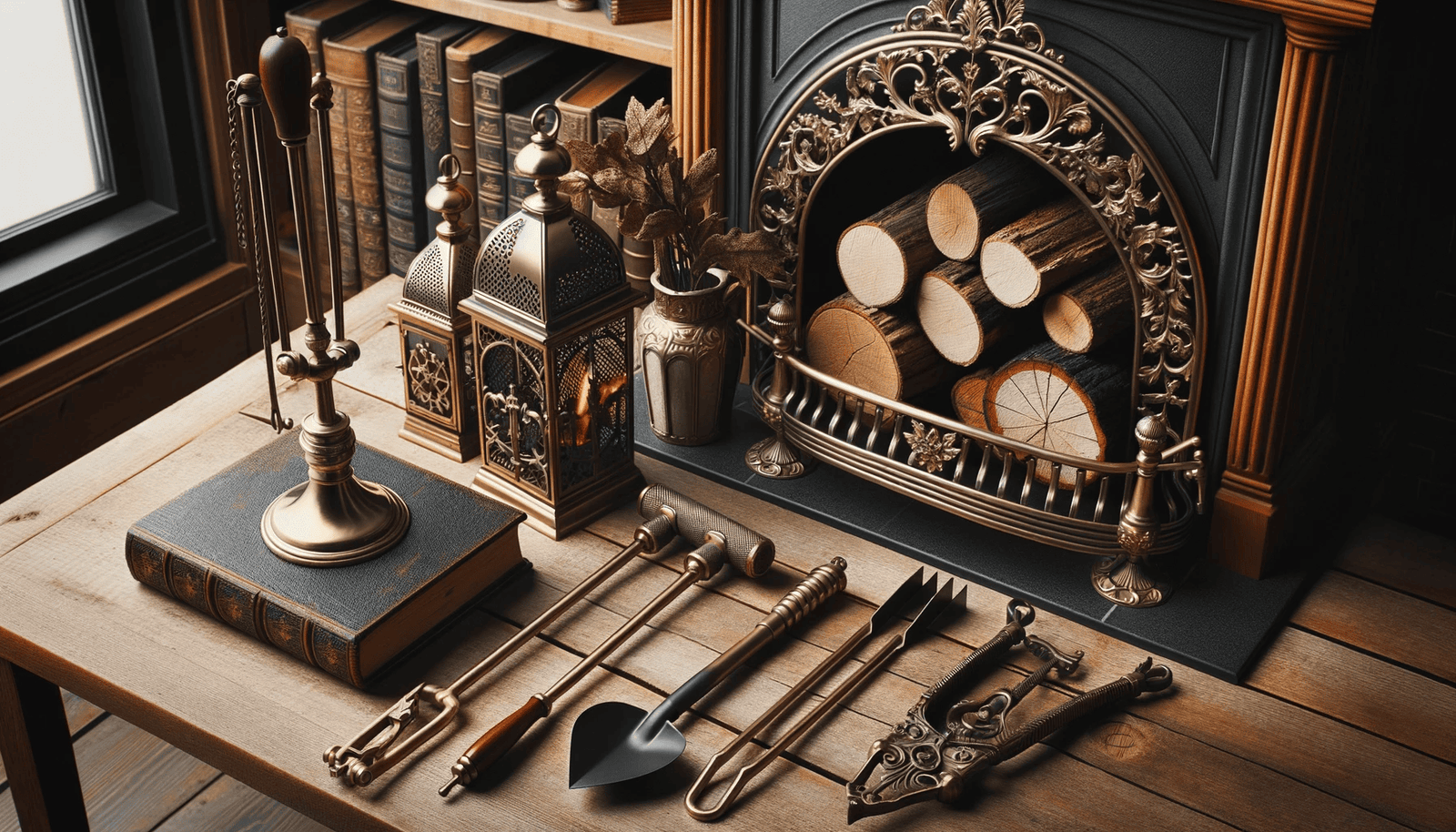
Fireplace Mantels: Enhancing Style and Functionality
Fireplace mantels serve as an architectural focal point, elevating the aesthetic appeal of indoor fireplaces. They not only provide a platform to showcase decorative objects but also offer practical functions such as heat protection and storage space. When it comes to materials used for fireplace mantels, there is a wide range of options available to cater to different preferences and styles.
Types of Materials Used
1. Wood: Wood mantels offer classic charm and versatility. Hardwoods like oak, maple, mahogany, or cherry provide durability, while softwoods like pine contribute a more rustic feel.
2. Stone: For a timeless and elegant look, stone mantels are an excellent choice. Options like marble, limestone, or granite provide durability and can withstand higher temperatures.
3. Cast Stone: An affordable alternative to natural stone mantels is cast stone. It replicates the appearance of natural stone while offering greater flexibility in design options.
4. Metal: Modern and sleek metal mantels have gained popularity in contemporary interior designs. Materials such as stainless steel or wrought iron add an industrial touch to the fireplace.
Design Styles
Fireplace mantel designs vary widely to match different architectural styles and personal tastes.
Traditional: Ornately carved wood mantels with intricate detailing evoke a sense of timeless elegance.
Contemporary: Clean lines and minimalist designs characterize contemporary mantels, often made from materials like metal or sleek wood.
Rustic: Rough-hewn wooden beams or reclaimed wood create a cozy, cabin-like ambiance that complements country or lodge-style décor.
Transitional: Combining elements from traditional and modern aesthetics, transitional mantel designs strike a balance between classic elegance and contemporary simplicity.
Installation Tips
When installing fireplace mantels, it is essential to ensure proper safety and structural integrity:
1. Consult a professional: Seek advice from a fireplace expert or contractor to determine the appropriate size, materials, and installation method for your specific fireplace.
2. Secure mounting: Ensure the mantel is securely anchored to the wall or directly attached to the fireplace surround to prevent accidents.
3. Clearances: Follow local building codes and maintain proper clearances between the mantel and the firebox to avoid heat damage or fire hazards.
4. Balance proportions: Consider the scale of your fireplace and surrounding space when choosing a mantel design—too large or too small can disrupt visual harmony.
Fireplace Screens: Aesthetic Appeal with Added Safety
Fireplace screens not only enhance the visual appeal of indoor fireplaces but also serve as an essential safety feature, protecting against sparks, embers, and accidental burns. With various styles available, they offer an opportunity to infuse personality into your fireplace design while ensuring peace of mind.
Design Styles
1. Traditional: Classic designs feature intricate scrollwork, ornate metal frames, and decorative accents that evoke a sense of timeless elegance.
2. Modern: Sleek lines, minimalistic frames in materials like stainless steel or tempered glass create a contemporary look that complements modern interior aesthetics.
3. Rustic: Natural elements like wrought iron or distressed wood with simple yet sturdy construction are perfect for rustic or farmhouse-inspired spaces.
4. Customized: Some homeowners opt for custom-designed screens that reflect their personal style through unique patterns, engravings, or even personalized monograms.
Installation Tips
Installing a fireplace screen involves careful consideration of functionality and aesthetics:
1. Measure carefully: Ensure accurate measurements of your fireplace opening height and width before purchasing a screen to ensure proper fitment.
2. Choose suitable material: Select materials that can withstand high temperatures and won’t warp or discolor over time, such as wrought iron or heat-resistant tempered glass.
3. Stability: Make sure the screen is stable and securely placed, avoiding any wobbling or tipping that could compromise safety.
4. Maintenance: Regularly clean your fireplace screen to eliminate soot buildup and maintain its appearance. Follow manufacturer guidelines for specific materials.
Conclusion
The world of indoor fireplaces extends far beyond the mere provision of warmth—it is a realm of architectural beauty, design versatility, and personal expression. Whether you opt for traditional masonry fireplaces exuding grandeur or embrace modern alternatives like gas, electric, or ethanol fireplaces that offer convenience and efficiency, there is an abundance of options to suit various tastes and styles.
Accessorizing your fireplace with carefully chosen mantels adds character, functionality, and visual appeal to your living space.
From the rich elegance of wood to the timeless charm of stone or the sleekness of metal—materials are at your disposal to create a personalized ambiance that perfectly complements your interior design scheme.
Embracing safety without compromising style, fireplace screens act as guardians against sparks while adding another layer of aesthetic enhancement.
With designs ranging from ornate scrolls for traditional environments to minimalist glass panels for contemporary settings—fireplace screens strike a balance between form and function.
So next time you gather around the cozy warmth of an indoor fireplace with loved ones, take a moment to appreciate these exquisite accessories that elevate both design aesthetics and practicality—a testament to human ingenuity in merging beauty with functionality!