Crackling Comfort: The Ultimate Guide to Enhancing Heat Retention with Top Fireplace Dampers
Introduction
The Vital Role of Fireplace Dampers in Heat Retention
Fireplace dampers are crucial in maintaining heat within a home, especially during colder months. By acting as a barrier between the interior of a house and the chimney, they prevent warm air from escaping and cold air from entering.
This retention of heat not only ensures a comfortable living environment but contributes to energy savings by reducing the need for constant heating. In essence, fireplace dampers act as gatekeepers, controlling the flow of air and optimizing temperature regulation within a space.
Regulating Airflow and Enhancing Energy Efficiency with Fireplace Dampers
Fireplace dampers regulate airflow in chimneys, allowing homeowners to control the amount of oxygen that reaches the fire. When closed, they create an airtight seal that prevents heated indoor air from escaping the chimney while blocking cold drafts from entering the home.
This mechanism maintains a consistent and comfortable temperature indoors and maximizes energy efficiency by reducing heat loss. Investing in the best fireplace damper seal ensures that your damper operates at its peak performance level, effectively enhancing airflow regulation and overall energy conservation efforts.
Traditional Throat Dampers

Traditional throat dampers control the airflow in the chimney. When open, they allow smoke and exhaust to escape; when closed, they prevent heat loss and downdrafts.
This functionality is crucial for maintaining a consistent room temperature and improving energy efficiency. One of the key features of traditional throat dampers is their simplicity in design—they consist of a metal plate or flap that can be manually adjusted using a lever or chain.
In terms of pros, traditional throat dampers are generally more affordable compared to other types of fireplace dampers. They are widely available and easy to install, making them a popular choice for many homeowners.
However, one significant drawback is their inefficiency in completely sealing off the chimney when closed. This limitation can result in heat loss over time and may require additional measures, such as installing the best fireplace damper seal to enhance insulation and prevent drafts.
Top-Sealing Dampers
Top-sealing dampers offer an innovative solution to the shortcomings of traditional throat dampers. Positioned at the top of the chimney rather than just above the firebox, these dampers provide a more effective barrier against heat loss and drafts. The design includes a gasket or seal that creates an airtight closure when not in use, preventing cold air from entering or warm air from escaping through the chimney.
This feature makes top-sealing dampers highly efficient at retaining heat within the home. Compared to traditional throat dampers, one of the main advantages of top-sealing dampers lies in their superior insulation properties.
These dampers significantly reduce energy losses and help maintain a comfortable indoor temperature during colder months by creating a tight seal at the top of the chimney. Additionally, top-sealing dampers are known for their durability and longevity, requiring less frequent maintenance than other types of fireplace dampers when equipped with the best fireplace damper seal for added protection against weather elements.
Cast Iron Dampers: Built to Last
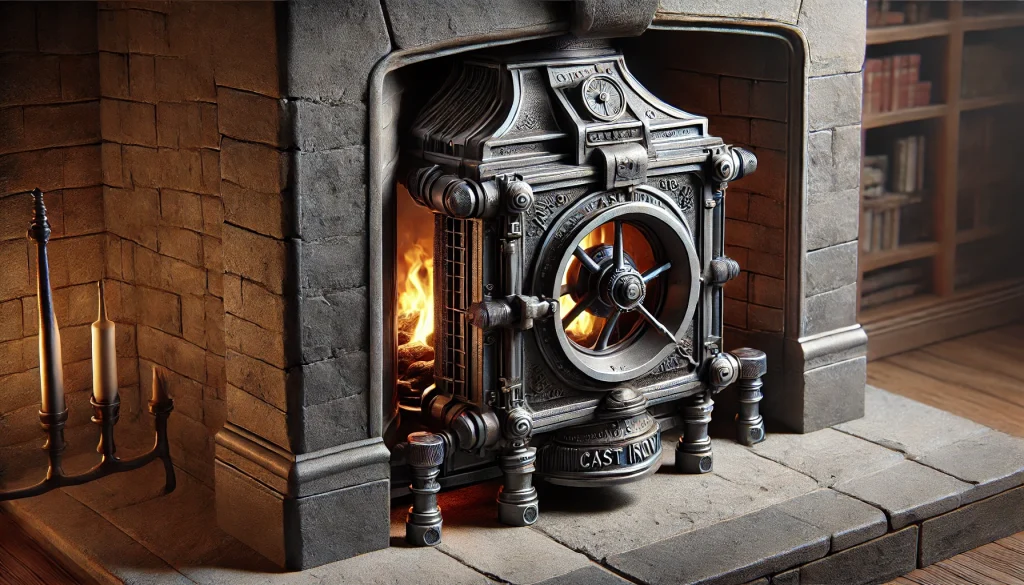
Cast iron dampers are renowned for their exceptional durability and superior heat retention properties, making them popular among homeowners seeking the best fireplace damper seal. The robust nature of cast iron ensures that these dampers can withstand high temperatures without warping or deteriorating over time.
This durability guarantees a long lifespan for the damper, providing reliable performance year after year. Maintenance of cast iron dampers is relatively straightforward, typically requiring regular cleaning to remove soot and debris buildup.
This helps ensure optimal airflow regulation and heat retention efficiency. While cast-iron dampers are known for their sturdiness, occasional inspection for signs of wear or damage is recommended to address any issues promptly and prevent them from escalating into more significant problems, thereby maximizing the lifespan of these quality dampers.
Stainless Steel Dampers: A Balance of Strength and Longevity
Stainless steel dampers offer excellent corrosion resistance, ensuring they can withstand the harsh conditions inside a chimney without rust or deterioration. This resilience makes stainless steel dampers a reliable choice for homeowners looking for the best fireplace damper seal.
The longevity of stainless steel dampers provides peace of mind, knowing that they will continue to function effectively even after prolonged exposure to heat and moisture. Despite their exceptional durability, stainless steel dampers also offer cost-effective benefits due to their longevity and low maintenance requirements.
Homeowners can enjoy long-term savings by investing in stainless steel dampers that require minimal upkeep while delivering consistent performance in heat retention efficiency. The combination of corrosion resistance, longevity, and cost-effectiveness makes stainless steel dampers a practical choice for those seeking high-quality fireplace damper seals that prioritize strength and sustainability.
Size Compatibility with the Chimney Opening
Choosing the right size damper is crucial for optimal heat retention in your fireplace. A too small damper will restrict airflow, leading to inefficient burning and reduced warmth. On the other hand, a too large damper may allow excess air to escape, resulting in heat loss.
It is essential to measure the dimensions of your chimney accurately to select a damper that fits snugly and effectively seals off the opening. The best fireplace damper seals are custom-fit to ensure tight closure, preventing heat from escaping the chimney.
Insulation Capabilities for Heat Retention
When selecting a fireplace damper for heat retention, consider its insulation properties. A well-insulated damper can help prevent heat loss by keeping warmth inside your home rather than allowing it to escape through the chimney. Look for cast iron or stainless steel dampers, known for their excellent heat retention capabilities.
Additionally, some dampers come with gaskets or insulation pads to create a better seal when closed, further enhancing their ability to retain heat efficiently. Opting for a high-quality fireplace damper with superior insulation will keep your living space cozy, save energy, and reduce heating costs in the long run.
DIY vs Professional Installation Options
Opting for a DIY installation of the best fireplace damper seal can be cost-effective for those with experience in home improvement projects. DIY enthusiasts can save money on labor costs and enjoy the satisfaction of completing the installation themselves.
However, having the necessary tools and knowledge is crucial to ensuring a successful and safe installation process. On the other hand, hiring a professional installer guarantees expertise and precision in fitting the fireplace damper correctly, minimizing the risk of errors or malfunctions that could impact heat retention efficiency.
Steps Involved in Installing a Fireplace Damper
The first step in installing the best fireplace damper seal is carefully measuring the chimney opening to ensure compatibility with the chosen damper size. Next, remove any existing components that may obstruct the installation, such as old dampers or debris buildup.
Position the new damper securely according to manufacturer instructions, ensuring it forms a tight seal to prevent heat loss. Test the functionality of the damper by operating it several times to verify smooth operation and proper airflow regulation.
Safety Precautions During Installation
Prioritize safety when installing your chosen best fireplace damper seal by wearing appropriate protective gear, gloves, and safety goggles to prevent injuries from sharp edges or debris. Ensure proper ventilation in your workspace to minimize exposure to harmful fumes or dust during installation activities.
Use caution when handling tools or climbing ladders, especially when working at heights near chimneys. In addition, double-check all connections and fastenings to confirm structural stability before operating your newly installed fireplace damper for optimal heat retention performance.
Maintenance Tips for Maximizing Heat Retention Efficiency
Regular Cleaning: Soot and Debris Removal
Regularly cleaning your fireplace damper is essential for maintaining optimal heat retention efficiency. Soot and debris build-up can restrict airflow, reducing the damper’s effectiveness in regulating heat. To clean, use a chimney brush to sweep away any loose debris.
Follow this with a damp cloth to wipe down the damper, removing stubborn soot residue. A clean best fireplace damper seal ensures smooth operation and maximum heat retention capabilities.
Inspection for Wear and Damage
Inspecting your fireplace damper for any signs of wear or damage is crucial in ensuring its long-term functionality. Look for rust, corrosion, or warping that may affect the damper’s seal.
Check the hinges and mechanisms for smooth operation, as obstructions can hinder proper closure. If you notice any issues during the inspection, consider replacing worn components or investing in the best new fireplace damper seal to maintain peak efficiency.
Sealing Gaps and Leaks in the Damper Mechanism
Effective sealing is key to maximizing heat retention efficiency in your fireplace. Carefully inspect the seal around your damper for gaps or leaks that could let warm air escape. Use high-temperature caulk to fill in any small openings along the edges of the damper mechanism.
Consider installing a new best fireplace damper seal for larger gaps or damaged seals to ensure a tight closure and prevent heat loss. Properly sealing your fireplace damper improves energy efficiency and enhances overall heating performance during colder months.
Conclusion
Optimizing Heat Retention
Investing in the best fireplace damper for heat retention ensures efficient energy use. The best fireplace damper seal maximizes heat retention by preventing warm air from escaping through the chimney.
Long-Term Benefits of Quality Dampers
Choosing a high-quality fireplace damper results in significant cost savings on energy bills over time. Installing the best fireplace damper seal keeps your home warm and reduces environmental impact by minimizing heat loss.
Selecting the optimal fireplace damper can transform your heating experience by enhancing warmth, energy efficiency, and cost-effectiveness. Investing in a high-quality damper with an excellent seal benefits you from increased heat retention and contributes to a sustainable and comfortable living environment.