Blazing Efficiency: Unlocking the Power of Fireplace Grates
Introduction
The Versatility of Fireplace Grates
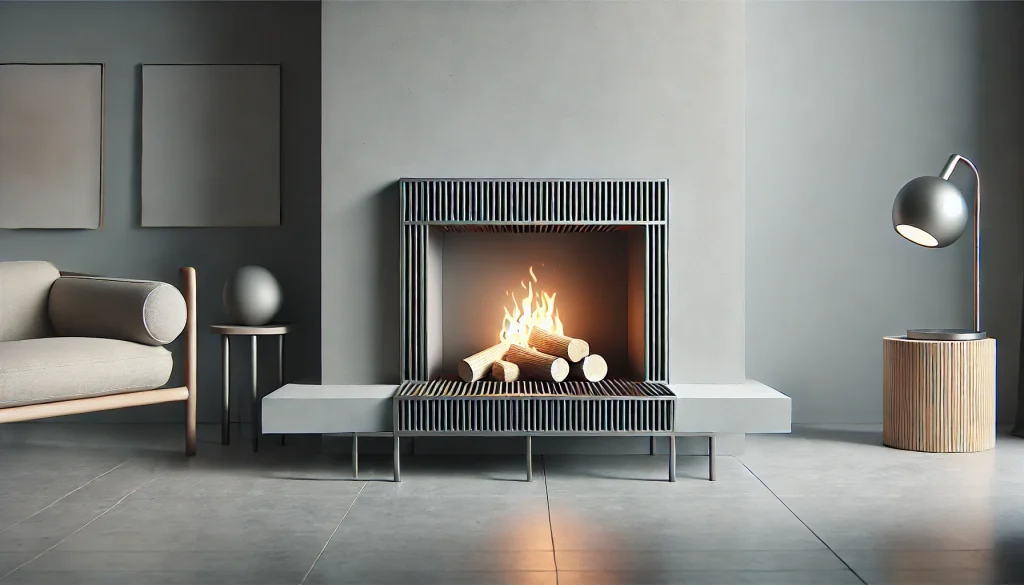
Fireplace grates are essential accessories that elevate the functionality and efficiency of traditional fireplaces. These sturdy metal structures hold the firewood off the fireplace floor, allowing air to circulate underneath and promoting better combustion.
By lifting the wood off the ground, fireplace grates create a stronger draft, which leads to improved airflow and more efficient burning. This increased circulation helps in achieving higher temperatures faster within the fireplace.
Enhancing Efficiency with Fireplace Grates
Using a fireplace grate is not just about convenience; it significantly impacts the efficiency of your fire. When properly positioned on a grate, firewood burns more evenly and produces a consistent heat output. By ensuring that the logs are elevated off the ground and have sufficient airflow around them, the best-cast iron grate can help reduce smoke emissions and create a cleaner burn.
This enhances warmth and minimizes harmful byproducts of combustion, such as creosote buildup in chimneys. With these benefits in mind, it becomes clear why incorporating a well-chosen fireplace grate into your setup is crucial for achieving efficient and effective burning in your fireplace.
Cast Iron Grates
The overview of cast iron grates reveals their sturdy construction and durability. Cast iron grates are known for their ability to withstand high temperatures and prolonged use without warping or bending. These grates usually have a traditional aesthetic, adding a classic touch to any fireplace setting.
The material’s heat-retention properties also help radiate warmth long after the fire has died down, making it an efficient choice for heating spaces. The benefits of using cast iron grates extend beyond their durability.
They facilitate better airflow around the burning wood, promoting more efficient combustion and reducing smoke emissions. Additionally, these grates create a stable base for the firewood, preventing it from rolling out of place during burning.
However, one drawback of cast iron grates is their weight, making them challenging to move or clean. Some of the best models on the market include the XYZ Cast Iron Grate and ABC Heavy-Duty Fireplace Grate.
Steel Bar Grates
The overview of steel bar grates showcases their lightweight yet robust design. Steel bar grates are often constructed using welded steel bars, offering excellent support for burning wood while allowing sufficient airflow from underneath. Due to their lighter weight compared to cast iron alternatives, these grates are easy to handle and clean.
Steel bar grates’ modern look can complement contemporary fireplace designs. They also have quick heat transfer properties that efficiently warm up the room quickly.
Their open design allows ash to fall through easily, minimizing maintenance efforts required during cleaning. One drawback might be that steel bars may weaken over time due to exposure to high temperatures, but choosing a high-quality model like the LMN Steel Bar Grate can mitigate this issue effectively.
Factors to Consider When Choosing a Fireplace Grate
Size and Dimensions Suitable for Your Fireplace
Selecting the correct size and dimensions ensures the grate fits snugly within your fireplace, allowing for efficient burning without overcrowding.
Material Quality and Durability
Choosing a durable material like cast iron ensures longevity and resilience against high heat, preventing premature wear and tear. Opting for the best-cast iron grate guarantees both quality and durability.
Design Features for Optimal Airflow
Look for grates designed with strategic airflow patterns to promote better combustion. These patterns ensure a steady supply of oxygen reaches the fire, resulting in a more effective burn.
Compatibility with Different Types of Fuel (Wood, Coal, etc.)
Consider grates that accommodate various fuel types to maximize flexibility in your burning options. This feature allows you to use different fuels based on availability or personal preference.
Tips for Efficient Burning with Fireplace Grates
Properly stacking firewood on the ground
Position logs on the grate to allow air circulation between them, promoting an even burn while preventing smothering or excessive smoke production.
Maintaining Proper Airflow Around the Firewood
Regularly check for debris buildup that might obstruct airflow around the firewood, ensuring proper ventilation optimizes burning efficiency while reducing harmful emissions.
Cleaning and Maintaining the Grate Regularly*
Routine cleaning removes ash deposits that can impede airflow and reduce burning efficiency.
Regular maintenance prolongs the lifespan of your grate while enhancing its performance over time.
Specialty Fireplace Grates for Specific Needs
Ember Retaining Grates for Longer-Lasting Heat*
These grates are designed to retain embers longer, extending heat output even after most logs have burned down.
It is ideal for those seeking sustained warmth during colder nights.
Self-Feeding Grates for Extended Burning Times
Perfect for uninterrupted burning sessions, self-feeding grates automatically shift wood into optimal positions as it burns down, ensuring continuous heat generation without manual intervention.
Uncommon Fireplace Grate Options
Rotating Grates For Easier Ash Removal
Rotating grates simplify removal by allowing easy access to accumulated ash beneath the firewood.
This feature streamlines cleanup efforts and maintains optimal burning conditions effortlessly.
Adjustable Height Grates For Customized Burning Experience

With adjustable height settings, these grates offer control over how close or far wood sits from flames, enabling customization of burn intensity according to personal preferences or specific heating needs.
Conclusion
Using fireplace grates not only enhances efficiency but also elevates your overall fireplace experience by optimizing burn performance,
making each moment spent by a warm hearth more enjoyable and offering peace of mind knowing you’ve chosen wisely best-cast iron grate.”