
Introduction
Enchanting World of Electric Fireplaces
Electric fireplaces, modern marvels that emulate the cozy warmth and aesthetic appeal of traditional hearths, have revolutionized home heating and decor. These innovative appliances use electricity to power heating elements that produce realistic flames, creating ambiance without the need for actual combustion. From freestanding stoves to wall-mounted units, electric fireplaces come in various designs to suit diverse preferences and room sizes.
Valorizing Energy Efficiency in Home Appliances
In today’s environmentally conscious world, the significance of energy efficiency cannot be overstated. Electric fireplace energy efficiency plays a vital role in reducing carbon footprints and minimizing energy wastage.
As homeowners seek sustainable solutions without compromising comfort, understanding the energy consumption of appliances like electric fireplaces becomes paramount. Evaluating the impact on utility bills and the environment can guide consumers towards making informed choices for their living spaces.
Intriguing Symphony: Uniting Ambiance with Energy Consciousness
The synergy between ambiance and energy consciousness is where electric fireplace energy efficiency shines brightest. Balancing aesthetics with operational costs, these appliances offer not only a source of warmth and visual delight but also an opportunity to embrace eco-friendly practices at home. Exploring how these devices harmonize comfort with sustainability reveals a nuanced perspective on modern living that resonates with both pragmatism and elegance.
How Electric Fireplaces Work

Electric fireplaces operate by drawing electricity to power a heating element and create simulated flames. The heating element warms the room, while LED lights, mirrors, and rotating mechanisms generate the visual effect of flickering flames.
Unlike traditional wood-burning fireplaces that require wood fuel and maintenance, electric fireplaces offer hassle-free operation with just the flip of a switch. This innovative design allows homeowners to enjoy the cozy ambiance of a fireplace without the need for ventilation or cleanup.
Comparing Energy Efficiency
When evaluating electric fireplace energy efficiency against traditional wood-burning models, several factors come into play. Electric fireplaces are highly efficient because they convert almost all the electricity they consume into heat.
In contrast, traditional wood-burning fireplaces lose much of their heat through the chimney, making them less energy-efficient overall. Moreover, electric fireplaces can be controlled with precision using built-in thermostats to regulate temperature output accurately.
Factors Affecting Energy Efficiency
The size of an electric fireplace directly impacts its energy efficiency by determining how much space it can effectively heat. Proper insulation around the fireplace ensures that generated heat remains inside the room rather than escaping outside.
Additionally, optimizing thermostat settings allows users to tailor energy consumption according to their comfort needs and avoid unnecessary wastage. By considering these factors collectively, homeowners can maximize their electric fireplace energy efficiency while reducing heating costs in an environmentally friendly manner.
Initial Purchase Cost vs Long-Term Savings
Electric fireplace retailers offer a wide range of models to suit various budgets. The initial purchase cost typically varies based on factors such as size, style, and features of the electric fireplace. Despite potentially higher upfront costs compared to traditional fireplaces, long-term savings are significant.
Energy-efficient electric fireplaces consume less electricity, leading to reduced monthly utility bills. Over time, the savings accrued from lower energy consumption offset the initial investment, making electric fireplaces a cost-effective choice in the long run.
Installation Costs and Considerations
The installation of an electric fireplace is generally straightforward and can often be done without professional help. DIY installation kits are available for individuals who wish to set up their electric fireplace themselves, further reducing installation costs.
Considerations when installing an electric fireplace include ensuring proximity to power outlets for easy access, choosing an appropriate location that complements room aesthetics while maintaining safety standards regarding clearance distances from combustible materials. By carefully considering these factors during installation, homeowners can maximize the benefits of their electric fireplace energy efficiency while enjoying warmth and ambiance in their living spaces.
Maintenance Costs and Tips for Maximizing Efficiency
Routine maintenance is essential to ensure optimal performance and longevity of an electric fireplace. Maintenance costs typically involve minor expenses such as replacing light bulbs or cleaning filters periodically.
To maximize efficiency and reduce maintenance costs over time, regular dusting and cleaning of the unit’s interior components are recommended to prevent dust buildup that can hinder performance. Additionally, following manufacturer guidelines for usage and maintenance can prolong the lifespan of your electric fireplace energy efficiency system while keeping it running smoothly for years to come.
Comparing Heating Costs: Electric Fireplaces vs. Gas Furnaces
Electric fireplaces are known for their energy efficiency, especially when compared to traditional heating methods like gas furnaces. The cost of running an electric fireplace is significantly lower than that of operating a gas furnace, making it a more cost-effective choice for homeowners looking to save on heating expenses. In terms of energy consumption, electric fireplaces convert almost all the electricity they use into heat, whereas gas furnaces lose some heat through venting systems and combustion processes. Moreover, electric fireplaces provide consistent and reliable heat output without the need for regular maintenance or fuel refills, further contributing to their cost-effectiveness in comparison to gas furnaces. This reliability ensures that homeowners can enjoy a comfortable living environment without unexpected spikes in heating costs or repair expenses associated with traditional heating systems like gas furnaces.
Maximizing Utility Bill Savings with Zone Heating
One innovative way to leverage the energy efficiency of electric fireplaces is through a practice known as zone heating. By strategically placing electric fireplaces in specific areas of the home where occupants spend the most time, such as living rooms or bedrooms, homeowners can reduce their reliance on central heating systems like gas furnaces.
This targeted approach to heating allows individuals to maintain desired temperatures in occupied spaces while keeping unoccupied areas cooler, thereby saving energy and lowering utility bills significantly. By implementing zone heating with electric fireplaces, households can achieve substantial cost savings by only heating rooms when necessary instead of constantly maintaining a uniform temperature throughout the entire house.
This method not only optimizes energy usage but also enhances overall comfort levels by providing customizable warmth where needed most. Additionally, zone heating promotes environmental sustainability by reducing unnecessary energy consumption and minimizing household carbon footprints – making it a practical and eco-friendly solution for modern homes looking to prioritize both savings and electric fireplace energy efficiency.
Positive Environmental Impact
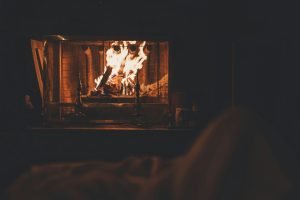
Electric fireplaces significantly reduce carbon footprint compared to traditional wood-burning fireplaces. Traditional fireplaces emit harmful pollutants such as carbon dioxide, particulate matter, and volatile organic compounds into the atmosphere, contributing to air pollution and health concerns.
In contrast, electric fireplaces operate cleanly, producing zero emissions during use. This significant reduction in emissions enhances indoor air quality while also benefiting the environment by reducing greenhouse gas emissions.
Sustainable Energy-efficient Features
electric fireplace energy efficiency shows that modern electric fireplace models incorporate energy-efficient features that help reduce electricity consumption. One such feature is LED technology used in electric fireplace lighting, which consumes minimal energy while providing realistic flame effects.
Additionally, many electric fireplaces come with built-in thermostats and timers that allow users to regulate temperature settings and control operating times efficiently. By optimizing these features, users can lower their electricity usage without compromising warmth or ambiance.
Eco-friendly Functionality
Electric fireplace energy efficiency extends to eco-friendly functionalities that further minimize environmental impact. Some advanced models are designed with heat sensors that detect when a room reaches the desired temperature, automatically adjusting the heating output to conserve energy.
Moreover, certain electric fireplaces are equipped with eco modes that optimize performance for minimal power consumption while maintaining optimal comfort levels. By embracing these sustainable features, users not only reduce their carbon footprint but also contribute to a greener future through efficient energy use.undefined
Unlocking Efficiency with Smart Features
Smart thermostats and remote controls are pivotal components in modern electric fireplace models. These innovative features allow users to precisely control the temperature and settings of their electric fireplaces with ease.
By utilizing smart thermostats, individuals can set specific heating levels based on their preferences, thereby optimizing energy usage and improving overall efficiency. Likewise, remote controls enable convenient operation from a distance, fostering a seamless user experience tailored to individual needs.
The Benefits of Smart Integration
The integration of smart features in electric fireplaces enhances the overall energy efficiency by providing users with real-time monitoring and adjustment capabilities. Through smart thermostats, individuals can program heating schedules to match their daily routines, ensuring that energy is not wasted when the fireplace is not in use.
Additionally, remote controls offer the convenience of adjusting settings from anywhere within range, promoting efficient energy consumption even when occupants are away from home. This level of control empowers users to manage their electric fireplace energy efficiency effectively.
Elevating Energy Management
The convenience provided by smart features in managing energy consumption goes beyond mere comfort—it fosters a conscious effort towards sustainable living practices. By leveraging smart thermostats and remote controls in electric fireplaces, individuals can actively reduce their carbon footprint while enjoying optimal warmth and comfort. The ability to fine-tune settings according to personal preferences not only maximizes the benefits of an electric fireplace but also exemplifies a commitment to environmental responsibility through enhanced electric fireplace energy efficiency.
Unveiling Energy Star Ratings for Electric Fireplaces
– Manufacturers of electric fireplaces can opt to have their products evaluated for the Energy Star rating, a prestigious certification in the realm of energy efficiency. – Consumers can easily identify energy-efficient electric fireplaces by looking for the distinctive Energy Star label, signifying a product that meets stringent guidelines. – Understanding the importance of Energy Star ratings in guiding consumers toward more sustainable choices is crucial for promoting eco-friendly practices in household heating.
Evaluating Criteria for Energy Star Ratings
– For an electric fireplace to attain an Energy Star rating, it must meet specific criteria set by environmental protection agencies and regulatory bodies. – The criteria typically include parameters related to energy consumption levels, efficiency performance, and overall environmental impact assessments. – By adhering to these rigorous standards, manufacturers demonstrate their commitment to producing electric fireplaces that prioritize energy conservation and reduced carbon emissions.
Advantages of Choosing an Energy Star-Certified Electric Fireplace
– Opting for an Energy Star-certified electric fireplace not only ensures lower energy bills but also contributes significantly to reducing one’s carbon footprint. – Consumers benefit from improved efficiency levels and enhanced performance features when selecting an electric fireplace with the Energy Star label. electric fireplace energy efficiency is a critical aspect that influences both environmental sustainability and cost-effectiveness.
Bringing It All Together
Energy efficiency in electric fireplaces saves money. Electric fireplaces cost less to operate.
Energy-efficient models help reduce utility bills. Consider the investment in an energy-efficient electric fireplace for your home.
The Future of Home Heating
Electric fireplace energy efficiency benefits the environment. Lower carbon emissions result from using electric fireplaces.
An environmentally conscious choice is switching to an energy-efficient electric fireplace. Making this change positively impacts the world we live in.
A Brighter, Cozier Tomorrow
Investing in an energy-efficient electric fireplace enhances your home’s comfort. Energy savings lead to a warm and inviting living space.
Imagine cozy evenings by the fire while saving on heating costs. Choose a brighter future with an energy-efficient electric fireplace now!