Introduction
The Hearth of the Outdoors
Fire pit maintenance is crucial for ensuring your outdoor hearth remains a safe and enjoyable space. By following a regular maintenance routine, you can extend the lifespan of your fire pit and enhance its performance. From cleaning to inspecting components, taking care of your fire pit is essential for its longevity.
Importance of Fire Pit Maintenance
Regular fire pit maintenance helps prevent safety hazards such as gas leaks, rust buildup, or blockages in burner ports. By addressing these issues promptly, you reduce the risk of accidents and ensure that your fire pit functions optimally. Neglecting maintenance can lead to costly repairs or even the need for a replacement fire pit.
Benefits of a Well-Maintained Fire Pit
A well-maintained fire pit not only looks inviting but also creates a cozy ambiance for gatherings with family and friends. Proper maintenance ensures efficient fuel consumption, consistent heat output, and minimal smoke production. Additionally, by caring for your fire pit regularly, you contribute to the overall aesthetics and functionality of your outdoor space.
Wood-Burning Fire Pits
Wood-burning fire pits offer a traditional and rustic ambiance to outdoor spaces. These fire pits utilize wood as fuel, creating crackling flames and a cozy atmosphere for gatherings.
To maintain a wood-burning fire pit, it is essential to regularly remove ashes and debris after each use. This process not only ensures the longevity of the fire pit but also prevents ash buildup that can impede airflow and affect the quality of the flames.
Additionally, inspecting the grate of a wood-burning fire pit is crucial for safety and functionality. A worn-out or damaged grate should be replaced promptly to prevent accidents and maintain optimal performance.
Gas Fire Pits
Gas fire pits provide convenience and control, allowing users to adjust flame height with ease. These fire pits are typically fueled by natural gas or propane, offering a clean-burning alternative to traditional wood fires. Maintaining a gas fire pit involves regular inspection of gas lines to detect any leaks or damages.
Replacing faulty gas lines is imperative to prevent potential hazards such as gas leaks or irregular flame patterns. Cleaning burner ports in a gas fire pit is another essential maintenance task that ensures proper flame distribution for an even and efficient burn.
Gel Fuel Fire Pits
Gel fuel fire pits offer versatility and portability, making them ideal for small outdoor spaces or temporary setups. Gel fuel provides clean-burning flames without smoke or odor, enhancing the ambiance without the need for traditional fuels like wood or gas.
When maintaining a gel fuel fire pit, it is important to store gel fuel canisters in a cool, dry place away from direct sunlight to preserve their quality and efficacy. Checking expiration dates on gel fuel canisters is also crucial to ensure safe usage and prevent any risks associated with expired fuel sources.
Cleaning the Fire Pit After Each Use
Removing ashes and debris involves using a sturdy metal scoop or shovel to carefully collect the remnants of burnt wood and other materials left behind after a cozy fire. It’s essential to wait until the ashes have completely cooled down before attempting this task to prevent accidental burns.
By efficiently removing ashes, you enhance fire pit maintenance by preventing buildup that can obstruct airflow and affect the fire’s performance. Wiping down the exterior surfaces is a crucial step in fire pit maintenance that involves using a damp cloth or sponge to clean off any soot, dirt, or residue accumulated during use.
Pay close attention to details like decorative elements, handles, and edges where grime tends to accumulate. This regular cleaning not only keeps your fire pit looking aesthetically pleasing but also helps prevent corrosion or rust from developing on metal surfaces.
Maintaining cleanliness in these areas ensures you’re not only extending the lifespan of your outdoor hearth but also promoting safe usage. Neglecting these aspects of fire pit maintenance can lead to potential hazards such as fires caused by debris igniting unexpectedly or structural damage due to corrosive elements eating away at the materials over time.
Removing Ashes and Debris

Properly handling ashes and debris is an integral part of maintaining your fire pit’s functionality and appearance. Investing in a high-quality ash shovel or scooper specifically designed for this task can make the job more manageable.
Carefully scoop out all ash remnants from the base of your fire pit, ensuring no hot embers remain that could pose a risk later on—disposing of these materials thoughtfully as part of responsible waste management practices related to fire pit maintenance. Regularly clearing out ashes not only prevents potential safety hazards but also helps optimize airflow within your fire pit for more efficient burning.
By keeping this area free from obstructions, you ensure consistent heat distribution throughout each use while reducing the likelihood of smoke buildup due to blocked vents or channels—this small yet critical aspect is often overlooked when discussing comprehensive fire pit maintenance routines. When removing debris from your fire pit, pay attention to any leftover wood chunks, unburned logs, or foreign objects that could hinder future fireside gatherings—this meticulous attention to detail contributes significantly toward preserving both aesthetics and functionality in your outdoor space.
Wiping Down Exterior Surfaces
The exterior surfaces of your fire pit play a vital role in its overall appeal and longevity; therefore, regularly wiping them down should be a non-negotiable aspect of your maintenance routine. Using mild soap diluted in warm water along with a soft cloth or brush suited for outdoor use can help remove stubborn soot stains without damaging delicate finishes—achieving this balance between cleanliness and care enhances both visual appeal and durability simultaneously.
Ensure thorough coverage when wiping down exterior surfaces by addressing all angles, crevices, and design features where dirt might accumulate over time—taking these extra measures showcases dedication to comprehensive upkeep while preventing gradual deterioration caused by neglecting key areas related to regular wear-and-tear associated with frequent use. Prioritize wiping down exterior surfaces after each use as part of post-fire cleanup efforts; doing so not only maintains cleanliness standards but also preserves the integrity of materials against environmental factors like moisture exposure which could accelerate degradation processes if left unchecked—promoting sustainability through simple yet effective practices embedded within broader strategies centered around continuous improvement related
Checking for Rust and Corrosion on Metal Components
Regularly inspect the metal components of your wood-burning fire pit for signs of rust and corrosion. Examine the fire pit’s frame, legs, and any metal surfaces that come into contact with heat or moisture.
Rust can weaken the structure of the fire pit over time, compromising its durability and safety. By checking for rust early on, you can prevent further damage and ensure a longer lifespan for your fire pit.
Sanding and Repainting If Necessary
If you spot areas with rust or corrosion on your wood-burning fire pit, consider sanding them down to remove the affected metal layers. Use sandpaper to gently buff away the rust until you reach clean, smooth metal surfaces.
Once sanded, apply a high-temperature paint designed for outdoor use to protect the metal from future corrosion. This process not only enhances the appearance of your fire pit but also provides a protective barrier against rust formation in the future.
Inspecting the Condition of the Grate and Replacing If Worn Out
The grate in a wood-burning fire pit plays a crucial role in facilitating airflow to maintain a strong flame while holding burning logs securely. Inspect the condition of your grate regularly for signs of wear and tear such as warping or thinning metal bars.
If you notice any significant damage that compromises its functionality, consider replacing it with a new grate specifically designed for your fire pit model. Maintaining a sturdy and intact grate ensures optimal performance during each use, promoting safe and efficient fire pit maintenance without interruptions.
Checking Gas Lines for Leaks
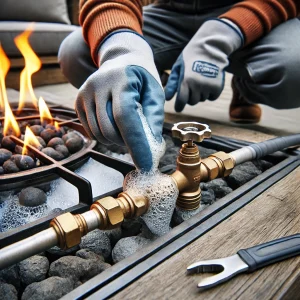
Gas lines are crucial components of gas fire pits, responsible for delivering fuel to create those mesmerizing flames. Regularly inspecting these gas lines is essential for safe operation. Start by carefully examining the gas lines for any visible signs of wear, such as cracks, corrosion, or leaks.
Use a solution of soapy water applied to the connections and joints while the fire pit is running to detect any escaping gas through bubbles forming if there’s a leak. Address any leaks immediately to prevent potential hazards and ensure optimal performance in your fire pit maintenance routine.
Replacing Damaged or Worn Out Gas Lines
Over time, wear and tear can degrade the integrity of gas lines in your fire pit, compromising its safety and efficiency. If you notice any signs of damage during your routine inspections, it’s crucial to replace the affected gas lines promptly. Begin by turning off the gas supply to the fire pit and disconnecting the old gas line carefully.
Select a new high-quality gas line that is compatible with your fire pit model and size, following manufacturer recommendations for installation. Properly securing and testing the new gas line will help maintain a safe and effective fuel delivery system as part of your diligent fire pit maintenance practices.
Cleaning Burner Ports to Ensure Proper Flame Distribution
The burner ports are vital components that regulate flame distribution in a gas fire pit, influencing both aesthetics and functionality. As part of regular maintenance, cleaning these burner ports is essential to ensure an even flame pattern and optimal heat output. Start by turning off the gas supply and allowing the fire pit to cool completely before removing the burner unit carefully.
Use a soft brush or compressed air to clear any debris or obstructions from the burner ports gently. Inspect each port thoroughly for blockages or buildup that could disrupt flame distribution – taking care not to damage them during cleaning – before reassembling everything securely back into place as part of your meticulous approach towards effective fire pit maintenance.
Special Considerations for Gel Fuel Fire Pits
The Importance of Proper Storage
Storing gel fuel in a cool, dry place is crucial for maintaining its quality and ensuring safety. Exposure to direct sunlight or extreme temperatures can compromise the integrity of the gel fuel, affecting its performance when used in the fire pit. By keeping the gel fuel in a controlled environment, you reduce the risk of evaporation or leakage, prolonging its shelf life and effectiveness.
Preserving Performance with Expiration Dates
Regularly checking expiration dates on gel fuel canisters is essential for safe and efficient fire pit maintenance. Over time, gel fuel can lose its potency and effectiveness, leading to inconsistent burning or potential hazards during use. By adhering to expiration dates and replacing outdated canisters promptly, you maintain optimal performance levels and minimize risks associated with using degraded gel fuel in your fire pit.
Ensuring Safety and Efficiency
By following these special considerations for gel fuel fire pits, you prioritize safety while enhancing the overall efficiency of your fire pit maintenance routine. Proper storage practices and vigilance regarding expiration dates contribute to a seamless experience when enjoying your outdoor hearth. Implementing these measures not only safeguards against potential accidents but also ensures that your fire pit operates at its best every time you light it up.
Seasonal Maintenance Tasks
Winterizing Your Fire Pit: Shielding from Harsh Weather Conditions
Protect your fire pit during the colder months by covering it with a weatherproof tarp or fire pit cover. This shield will prevent snow, ice, and moisture from causing damage to the structure.
Prior to covering, ensure your fire pit is completely cooled down and clean. Remove any remaining ashes or debris to avoid mold growth or rust formation during the winter season.
Inspect the overall condition of your fire pit before winterizing it. Check for any signs of wear and tear such as cracks in the bowl or base, loose fittings, or rust on metal components.
Address any issues promptly to prevent them from worsening over time. Additionally, consider moving your fire pit to a sheltered area if possible to provide extra protection from harsh winter elements.
Prepare for spring by uncovering and cleaning your fire pit thoroughly once the cold weather subsides. Remove any debris that may have accumulated on top of the cover during winterization.
Inspect all parts of the fire pit for damage caused by freezing temperatures or moisture buildup. Conduct a test burn to ensure everything is in working order before enjoying cozy nights around the fire pit again.
Summer Maintenance Tips: Enhancing Your Fire Pit’s Appearance
Spruce up your outdoor space by giving your fire pit some tender loving care as summer approaches! Start by giving it a deep clean using mild soap, warm water, and a soft brush to remove dirt and grime accumulated during storage or previous use.
Wipe down all surfaces thoroughly and allow them to dry completely before lighting a new flame in your refreshed fire pit. Add decorative elements like colorful stones or glass beads around the base of your fire pit for an aesthetic boost that complements your outdoor décor.
Consider incorporating seating options such as comfortable chairs or cushions to create a welcoming ambiance around the blazing flames. Regularly trim any vegetation near the fire pit to maintain safety standards and prevent accidental fires caused by overhanging branches.
Illuminate summer evenings with well-maintained lighting fixtures around your outdoor space that complement the warm glow of your roaring fire pit flames. Set up an ambient lighting scheme using string lights, lanterns, or solar-powered lamps that enhance visibility while creating an inviting atmosphere for gatherings with family and friends.
Restoring a Rusty Fire Pit
Sandblasting is used to remove rust from the fire pit. High-heat paint is applied after sandblasting to provide a protective coating. This process restores the fire pit’s appearance and prevents further corrosion.
A Fresh Coat for Durability
Sandblasting strips away layers of rust, revealing the metal’s original surface. High-heat paint is specially formulated to withstand high temperatures in fire pits. Applying this paint not only enhances aesthetics but also prolongs the fire pit’s lifespan.
Reviving Your Outdoor Hearth
Restoration through sandblasting and painting breathes new life into a rusty fire pit. The restored fire pit becomes an eye-catching centerpiece in your outdoor space again. Regular maintenance after restoration ensures long-term beauty and functionality of your beloved fire pit.
Upgrading Your Fire Pit
Adding cooking grates enhances the functionality of your fire pit for grilling food. Incorporating spark screens provides safety by preventing embers from escaping. These upgrades elevate both the aesthetic appeal and practicality of your fire pit.
Cooking Grates for Culinary Delights
Cooking grates transform your fire pit into a versatile cooking station for outdoor gatherings. Grilling food over an open flame adds a delicious smoky flavor to your meals. With this upgrade, you can enjoy culinary delights while basking in the ambiance of a crackling fire.
Enhanced Safety with Spark Screens
Spark screens act as a protective barrier to contain flying embers within the fire pit. By preventing sparks from escaping, these screens reduce the risk of accidental fires and burns. Adding spark screens ensures that you can enjoy your fire pit safely, providing peace of mind during gatherings.
Frequently Asked Questions about Fire Pit Maintenance
How often should I clean my fire pit?
Cleaning your fire pit regularly is essential. Remove ashes and debris after each use to prevent buildup. Aim to do a deep clean at least once a month, depending on usage.
More frequent cleaning may be necessary if you use your fire pit often. Keeping it clean not only enhances its appearance but also prolongs its lifespan.
What are the best cleaning products to use?
When it comes to maintaining your fire pit, using the right cleaning products is crucial. Opt for mild dish soap and warm water for routine cleaning of surfaces.
Avoid harsh chemicals that can damage the finish or affect the functionality of your fire pit. For tougher stains, consider using baking soda or vinegar as natural alternatives that are gentle yet effective.
Conclusion
Regular maintenance and proper care are key to ensuring your fire pit remains in top condition for years to come. By following a consistent cleaning schedule and using appropriate products, you can preserve the beauty and functionality of your outdoor hearth. Remember, investing time in fire pit maintenance not only enhances its performance but also creates a safe and inviting atmosphere for memorable gatherings around the comforting glow of the flames.