Introduction
The Rise of Fire Pits in Outdoor Entertainment
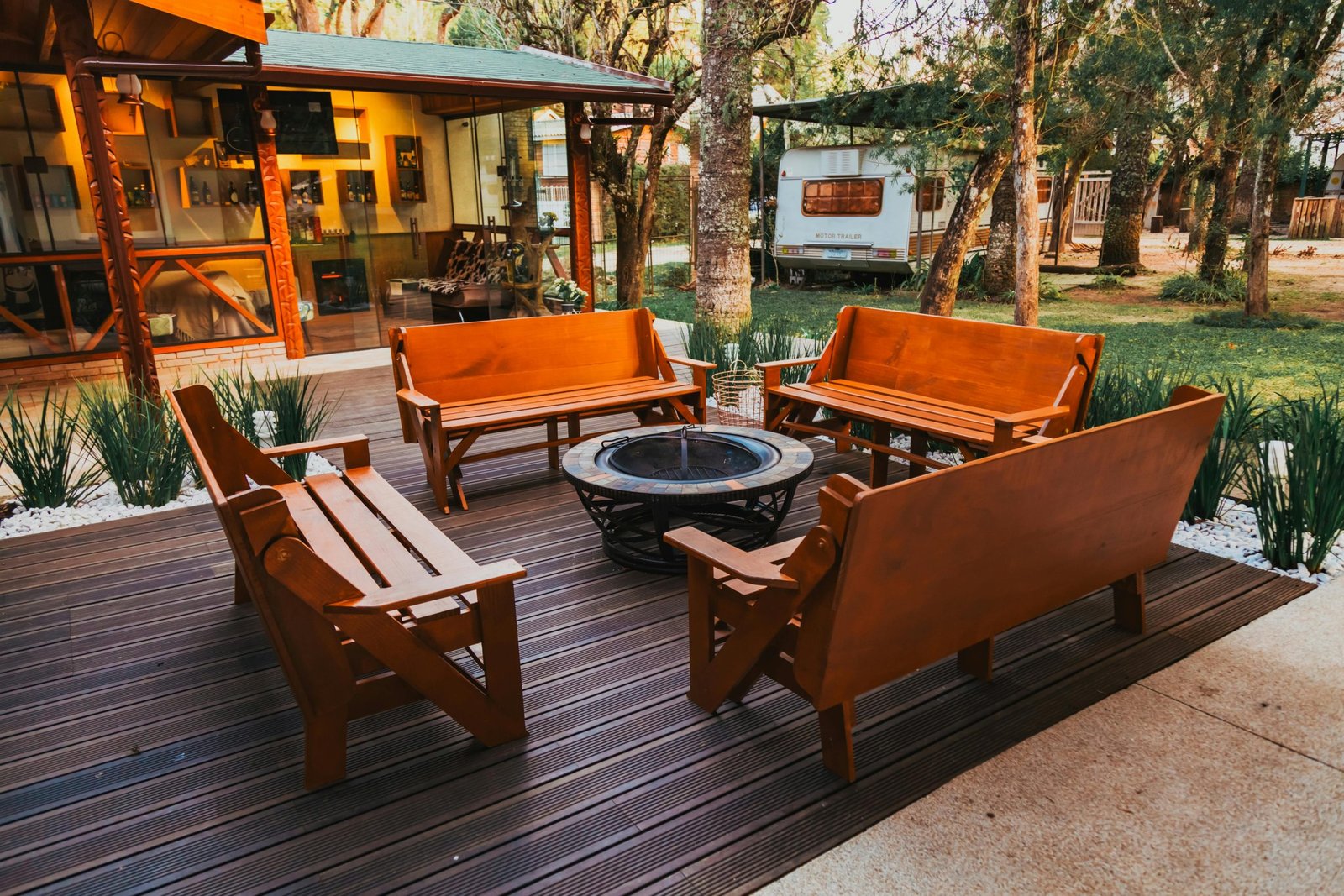
Fire pits have seen a surge in popularity among homeowners and outdoor enthusiasts alike. These versatile features provide a focal point for gatherings, creating a cozy ambiance and extending the usability of outdoor spaces. Whether used for roasting marshmallows with family or hosting social gatherings with friends, fire pits have become an essential element of modern outdoor living.
The Vital Importance of Fire Pit Safety
Ensuring fire pit safety is paramount to prevent accidents and injuries that can result from improper usage. With open flames and high temperatures involved, negligence or lack of precaution can lead to severe consequences. From minor burns to property damage or even major fires, the risks associated with fire pit accidents underscore the critical need for adherence to safety guidelines.
Promoting Safe Outdoor Enjoyment
By understanding the significance of fire pit safety and following best practices, individuals can continue to enjoy outdoor entertainment without compromising their well-being or that of others. Implementing simple yet effective safety measures when using a fire pit can significantly reduce the likelihood of accidents, providing peace of mind while enhancing the overall experience of gathering around a warm, inviting fire pit.
Types of Fire Pits: Wood-Burning, Gas, and Propane

Wood-burning fire pits are classic and offer the crackling ambiance of a traditional campfire. They require regular maintenance to remove ashes and ensure proper airflow.
Gas fire pits are convenient, cleaner burning, and easier to control the flame size. Propane fire pits are portable and often come in tabletop designs for versatility.
Location Considerations for Fire Pit Safety
Position your fire pit at least 10 feet away from any structures, including your home or shed, to prevent accidental fires. Check for overhanging tree branches that could catch fire or drop embers onto the pit area. Avoid placing your fire pit on a wooden deck or near flammable materials like dry grass, bushes, or patio furniture.
Proper Ventilation for Gas and Propane Fire Pits
Gas and propane fire pits need adequate ventilation to prevent gas buildup that can be dangerous when ignited. Ensure there is enough space around the pit for proper air circulation. Never use gas or propane fire pits indoors or in enclosed spaces without proper ventilation to avoid carbon monoxide poisoning risks.
Precautions Before Lighting the Fire Pit
Checking weather conditions for wind or dry spells is crucial for fire pit safety. Strong winds can cause flames to behave unpredictably, while dry spells increase the risk of accidental fires spreading. By being aware of the weather, you can prevent potential hazards before they occur.
Clearing the area around the fire pit of debris and flammable items is a simple yet effective way to enhance fire pit safety. Remove dried leaves, twigs, and any other combustible materials from the vicinity to minimize the risk of sparks igniting unintended objects.
Keeping a clear zone around the fire pit ensures that flames remain contained and controlled. Having a fire extinguisher or water source nearby is a fundamental aspect of fire pit safety.
In case of an emergency, quick access to these firefighting tools can prevent small incidents from escalating into major accidents. It is essential to know how to operate a fire extinguisher effectively and to keep it in good working condition.
Lighting and Maintaining the Fire
Using only recommended fuels for your type of fire pit is crucial for maintaining safe combustion levels and preventing hazardous situations. Different types of fuel are suitable for various fire pits, such as wood-burning, gas-fueled, or propane models. Using incompatible fuels can lead to malfunctions or even dangerous flare-ups.
Avoiding accelerants like gasoline to start the fire significantly reduces the risk of uncontrollable flames or explosions during ignition. Accelerants burn quickly and intensely, posing a severe threat to both property and personal safety when used with open flames.
Opt for safer ignition methods like kindling or commercial fire starters. Monitoring the flames and never leaving the fire unattended are essential practices in ensuring continuous fire pit safety throughout its use.
Regularly check on the flame’s size and intensity while staying vigilant for any signs of trouble such as sparks flying out or sudden changes in coloration. Leaving a lit fire unattended increases the chances of accidents occurring without immediate intervention.
Maintaining Safe Practices Around Guests

Establishing clear boundaries around the fire pit area creates a safe zone that prevents guests from accidentally getting too close to open flames. Clearly mark out designated areas where people can sit or stand comfortably without risking exposure to intense heat or flying embers—fire pits provide warmth but require respect due to their inherent dangers.
Educating guests on proper behavior near a live flame enhances overall awareness regarding potential risks associated with open fires—remind guests not to run or engage in rough activities near active fires as it poses unnecessary hazards that could result in burns or injuries—children need adult supervision at all times near open fires due their unpredictable behavior patterns. Avoid leaning directly over flames when seated around a firepit; this practice minimizes risks associated with accidental clothing catching on indoor furniture leading towards severe burns-fire pits should be enjoyed responsibly within designated seating arrangements established by hosts ensuring guest comfort enjoyment.firepit safety allows everyone enjoy outdoor gatherings without incident
Establish Clear Boundaries
Guests around the fire pit should have clear boundaries marked to ensure their safety. Establishing a border or designated area helps prevent accidents and keeps everyone at a safe distance from the flames.
Use physical markers like rocks, chairs, or light strings to define the space where guests can gather without getting too close to the fire pit. These boundaries serve as a visual reminder for guests to stay within safe limits and enjoy the warmth of the fire from a secure distance.
Safe Behavior Education
Educating guests on proper behavior near a live flame is crucial for fire pit safety. Remind them not to run or engage in roughhousing activities near the fire pit, as sudden movements can lead to accidents or falls into the flames.
Supervising children at all times is essential to ensure they understand and follow safety guidelines around the fire pit area. Additionally, advise guests against leaning directly over the flames, as this action can increase their risk of getting burned or catching clothing on fire.
Importance of Supervision
Supervision plays a key role in maintaining fire pit safety during outdoor entertaining events. Designate responsible adults to keep an eye on children and ensure they adhere to safety rules around the fire pit.
Continuous monitoring of guest behavior helps prevent risky actions that could result in injuries or fires. By supervising activities near the fire pit, hosts can create a secure environment where everyone can relax and enjoy themselves without compromising their well-being.
Dealing with Emergencies
Being Prepared for Small Flare-Ups
Having a designated person in charge of safety ensures quick action during emergencies. Knowing how to use a fire extinguisher properly is essential in swiftly managing small flare-ups or sparks that may occur near the fire pit. Remember, acting promptly can prevent minor incidents from escalating into major accidents, enhancing overall fire pit safety.
Evacuation Procedures for Larger Fires
In cases of larger fires or accidents, having clear evacuation procedures is crucial. Establish predetermined routes and assembly points for everyone to follow in an orderly manner. Practicing these evacuation plans beforehand can help ensure swift and safe movement away from the danger zone, promoting effective responses to emergencies and reinforcing fire pit safety.
Conclusion
While enjoying outdoor entertaining around a fire pit brings warmth and ambiance, prioritizing fire pit safety is paramount. By understanding the basics of fire pit usage, following essential safety tips, and being prepared for emergencies with proper protocols and knowledge, you can create a secure environment for gatherings. Remember that with attentiveness and readiness comes peace of mind – allowing you to fully relish the coziness and magic that a well-maintained fire pit brings to your outdoor experiences.