Introduction
The Heart of Your Outdoor Experience
Maintenance is the lifeblood of any functioning system, and fire pits are no exception. Regular upkeep not only ensures the longevity of your fire pit but more importantly, guarantees the safety of you and your loved ones. Whether it’s a cozy evening gathering with friends or a solitary moment reflecting under the starlit sky, a well-maintained fire pit sets the stage for unforgettable memories.
Unveiling the Hidden Dangers
Amidst the flickering flames and crackling wood lies a silent sentinel waiting to reveal its secrets – common fire pit problems. These issues, if left unattended, can quickly escalate from minor inconveniences to hazardous situations. Understanding why troubleshooting common fire pit problems is crucial unlocks the doors to safe and enjoyable gatherings around your outdoor hearth.
Navigating Through Potential Hazards
Embarking on a journey into fire pit troubleshooting equips you with more than just technical knowledge; it instills in you a sense of responsibility toward maintaining not just an object, but an experience. As we delve into unraveling common fire pit problems together, remember that this journey isn’t just about fixing issues – it’s about safeguarding cherished moments and creating new ones around the warm embrace of your fire pit.
Safety Precautions Before Troubleshooting

Cool Down Completely: Fire Pit Troubleshooting
The first step in fire pit troubleshooting is ensuring the fire pit is completely cool before starting any inspection or maintenance. This is crucial to prevent burns or accidents while working on the fire pit. Allowing sufficient time for the fire pit to cool down after use reduces the risk of injury and provides a safe environment for troubleshooting.
Equip Proper Safety Gear: Fire Pit Troubleshooting
To safeguard yourself during fire pit troubleshooting, it’s essential to use appropriate safety gear such as gloves and eye protection. Gloves protect your hands from sharp edges, hot surfaces, or debris that may be present in or around the fire pit. Eye protection shields your eyes from sparks, debris, or potential chemical splashes when handling different components of the fire pit.
Minimize Risks: Fire Pit Troubleshooting
By following these safety precautions before delving into fire pit troubleshooting, you minimize the risks associated with working on a potentially hazardous area. Cooling down the fire pit and wearing protective gear not only ensure your physical well-being but also create a focused mindset for effective troubleshooting. Prioritizing safety measures sets a responsible tone for maintaining and resolving issues with your beloved fire feature.
Fire Pit Not Lighting
Check the gas supply for gas fire pits or the fuel level for wood-burning fire pits. Confirm that there is enough fuel to sustain a flame.
For gas fire pits, ensure that the gas valve is open and supplying fuel to the burner. Inspect the ignition system for any signs of wear or damage.
Replace batteries in electronic ignition systems if needed. Ensure that manual ignition systems are properly aligned and functional for safe lighting.
Clean out burner holes or the wood-burning area to guarantee proper airflow. Debris buildup can block the flow of gas or inhibit oxygen from reaching the flames, preventing successful ignition during fire pit troubleshooting.
The Dilemma of Uneven Flames or Low Heat Output
Examine the burner holes or wood-burning area for any obstructions hindering flame distribution. Remove debris such as ash buildup or insects that may impede proper burning and heat production.
If applicable, adjust gas pressure to regulate flame intensity and heat output. Low pressure can cause flames to flicker unevenly and result in insufficient warmth emanating from the fire pit during use.
To facilitate optimal burning conditions, ensure proper ventilation surrounding your fire pit. Inadequate airflow can lead to incomplete combustion, causing uneven flames and reduced heat output, affecting your overall experience with your outdoor gathering spot.
The Battle Against Excessive Smoke
Select well-seasoned wood when using a wood-burning fire pit as it burns more efficiently with less smoke production. Properly dried wood reduces smoke emissions and contributes to a cleaner burning process while enhancing ambiance around your fire pit area. Investigate potential blockages in your chimney or ventilation system that could be causing smoke buildup around your fire pit area.
Ensure clear pathways for smoke dispersal by maintaining clean chimneys and unobstructed vents to prevent excessive smoke during gatherings around your outdoor fireplace space. Avoid burning wet or damp materials in your fire pit as they produce excess smoke due to incomplete combustion processes making it uncomfortable for guests gathered around your outdoor living space.
Gas Smell When Lighting
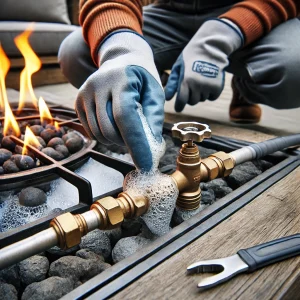
To address a gas smell when lighting the fire pit, begin by conducting a thorough inspection of the gas line. Use a soapy water solution to identify any leaks in the line by observing bubbles forming at leak points. If leaks are detected, promptly tighten connections to prevent further gas leakage.
In cases where parts appear damaged or worn out, such as connectors or valves, replacement is crucial for safe operation and to eliminate the gas smell during ignition. In fire pit troubleshooting regarding the issue of a persistent gas smell during lighting, ensuring that all connections are securely fastened is paramount for safety.
Even minor leaks can pose significant risks if left unattended. Applying the soapy water solution method meticulously along all gas line connections helps pinpoint even minute leaks that might otherwise go unnoticed.
By promptly addressing these issues with tightening or replacing damaged parts, the risk of accidents due to gas leakage can be effectively mitigated. Efficiently resolving the problem of a gas smell when igniting the fire pit requires meticulous attention to detail and proactive measures in checking for potential sources of leaks.
Regular maintenance checks should be conducted on all components involved in delivering gas to the fire pit, including hoses, regulators, and valves. By following these troubleshooting steps diligently and taking prompt action upon detecting any issues with the gas supply system, you can ensure a safer and more enjoyable experience around your fire pit.
Pilot Light Won’t Stay Lit
When encountering an issue where the pilot light won’t stay lit during fire pit operation, start by examining and cleaning the pilot light assembly thoroughly. Remove any accumulated debris or dust that may be obstructing proper ignition functionality.
Ensuring that the pilot light assembly is clean and free from obstructions allows for optimal performance and increased reliability in staying lit consistently. In fire pit troubleshooting scenarios involving an unreliable pilot light that fails to stay lit, it’s essential to verify that the pilot light assembly is correctly positioned according to manufacturer specifications.
Misalignment or improper placement can lead to erratic performance and difficulties maintaining a steady flame. By realigning and securing the pilot light assembly as per guidelines provided in user manuals or by manufacturers, you can enhance its functionality and address issues related to inconsistent lighting.
Requiring meticulous attention to detail when troubleshooting a pilot light that won’t remain lit ensures proper functionality of this critical component in your fire pit system. If cleaning and readjusting fail to resolve the problem satisfactorily, inspecting and potentially replacing the thermocouple might be necessary as it plays a vital role in regulating heat output stability within gas fire pits.
Maintenance Tips to Prevent Future Problems
Regularly Clean Out Debris from Burner Holes or Wood-burning Area
Inspect the fire pit after each use to remove any leftover ashes, twigs, or debris that could block airflow. Use a brush or vacuum to clean out the burner holes thoroughly.
For wood-burning fire pits, ensure the wood storage area is clear of any leftover wood pieces or ash buildup. Regular cleaning prevents clogs and promotes efficient burning.
Inspect
Periodically inspect all components of the fire pit for wear and tear. Check for any rust on metal parts, loose connections in gas lines, or cracks in the fire pit structure.
Ensure that all safety features like thermocouples and ignition systems are functioning properly. Address any issues promptly to prevent them from escalating into larger problems that may impact performance.
Conclusion
Regular maintenance and inspection are key practices in preventing common fire pit problems. By taking proactive steps to clean out debris and inspecting components regularly, you can ensure your fire pit functions optimally every time you use it.
Remember, a well-maintained fire pit not only enhances your outdoor experience but also promotes safety for you and your loved ones. Embrace these maintenance tips with enthusiasm as they empower you to enjoy hassle-free moments around your cozy fire pit.