Introduction
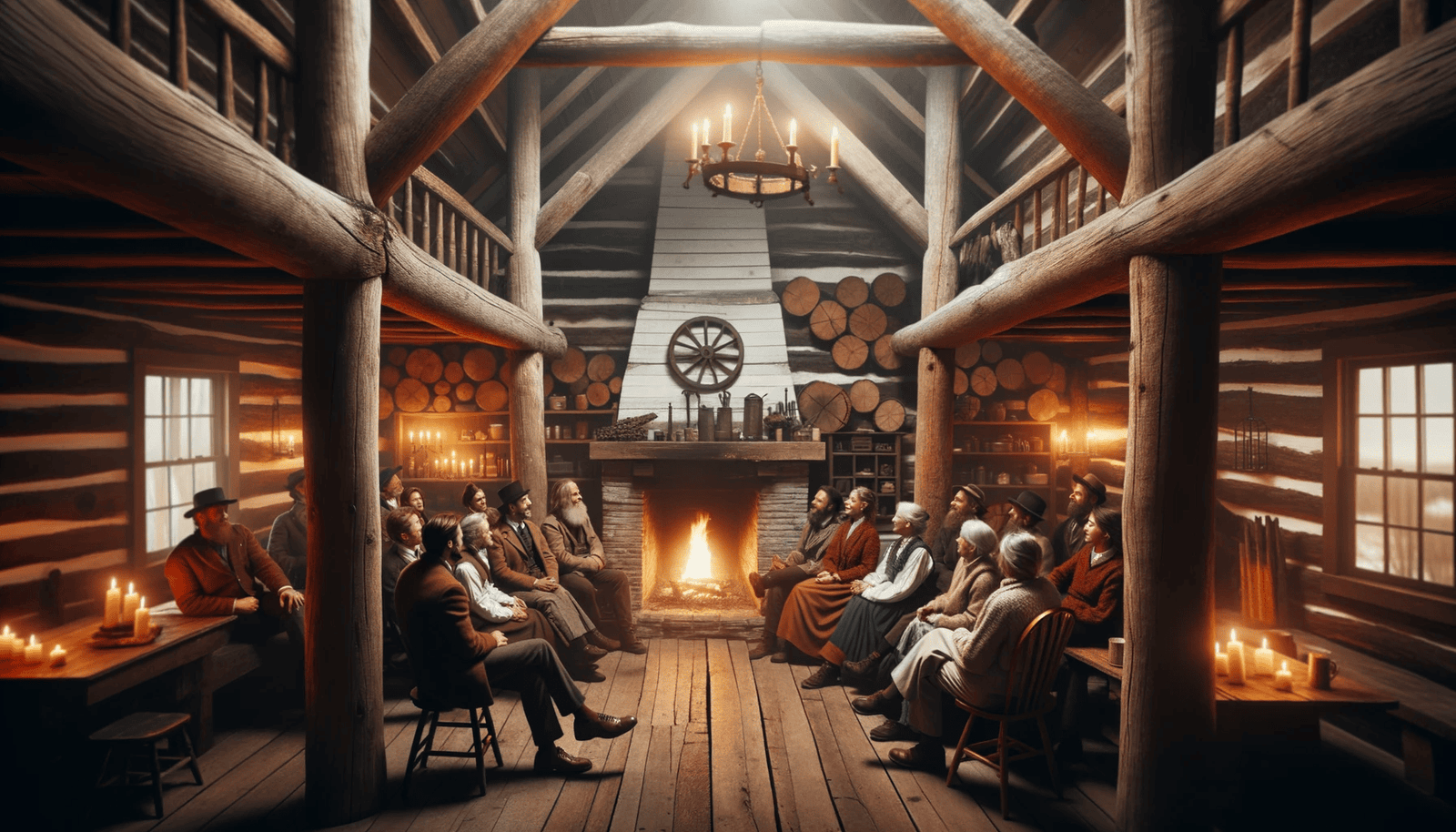
Fireplaces have long been cherished as a symbol of warmth, comfort, and intimate gatherings. From the crackling sound of burning logs to the mesmerizing dance of flames, fireplaces have a unique ability to create a cozy ambiance that transcends time. For centuries, they have served as focal points in living spaces, providing both practicality and aesthetic appeal.
In this comprehensive article, we will delve into the fascinating world of fireplaces and explore the different types that exist today. From traditional wood-burning hearths to modern electric and ethanol options, each type offers its own distinctive features and benefits.
A Timeless Symbol of Warmth and Coziness

Fireplaces hold a special place in our hearts due to their association with warmth and comfort. They evoke feelings of nostalgia and create an inviting atmosphere that brings people together. The crackling sound of burning wood or the gentle flickering flames can instantly transform any room into a sanctuary during chilly evenings or snowy winter days.
Besides the physical warmth they provide, fireplaces also generate metaphorical warmth by fostering connections among family members and friends. Whether it’s sharing stories around the hearth or simply enjoying quiet moments in its soothing presence, fireplaces become more than just functional fixtures; they become an integral part of our homes.
The Types of Fireplaces We Will Discuss
To satisfy different tastes and fit various lifestyles, fireplaces have evolved over time to encompass various technologies and fuel sources. In this article, we will explore four main types:
- Wood-burning Fireplaces: these are classic hearths that utilize wood as fuel for combustion.
- Gas Fireplaces: powered by natural gas or propane, gas fireplaces offer convenience and easy control.
- Electric Fireplaces: these innovative fireplaces use electricity to create realistic flame effects and provide adjustable heat.
- Ethanol Fireplaces: embracing sustainability, ethanol fireplaces utilize bioethanol fuel for clean burning without the need for venting.
Let us embark on a journey through the enchanting realm of fireplaces as we explore the unique qualities and benefits offered by each type. Whether you are a traditionalist yearning for the comforting scent of burning logs or an eco-conscious individual seeking an innovative alternative, there is a fireplace out there that will perfectly suit your desires.
Wood-Burning Fireplaces

Historical Significance and Traditional Charm
Wood-burning fireplaces have a rich historical significance dating back centuries. They evoke images of medieval castles, charming cottages, and grand manors. These fireplaces were once the primary source of heat and cooking, playing a vital role in people’s daily lives.
While modern heating systems have taken over their practical function, wood-burning fireplaces remain cherished for their traditional charm and timeless appeal. The crackling flames dancing within the hearth create an ambiance that is unparalleled by any other type of fireplace.
The mesmerizing flicker of light against the walls casts enchanting shadows, bathing the room in a warm and inviting glow. The distinctive scent of burning wood adds another layer to the sensory experience, evoking nostalgic memories of cozy winter evenings spent gathered around the hearth.
Description of Construction Materials and Design Variations
Wood-burning fireplaces come in various designs, each with its own unique aesthetic appeal. From classic brick to elegant stone facades, these fireplaces can be customized to suit any interior style or architectural motif.
The choice between an open hearth or an insert further adds to the design flexibility. An open hearth fireplace is characterized by its traditional design where logs are burned directly on a grate with an open chimney above.
This type allows for larger fires and provides a more authentic experience as it retains a rustic charm reminiscent of ancient times. On the other hand, fireplace inserts are enclosed units installed into existing masonry or factory-built fireboxes.
They offer improved energy efficiency by preventing heat loss through convection since they utilize insulated glass doors to contain heat within the enclosure. Inserts also provide greater control over combustion airflow, resulting in cleaner burns while still retaining some visual access to the flames.
Advantages: Authentic Crackling Sounds, Natural Ambiance, High Heat Output
One of the most beloved aspects of wood-burning fireplaces is the authentic crackling sounds they produce. The soft popping and crackling as the wood burns adds a soothing background melody, creating a comforting atmosphere within the home. It’s a symphony of nature that cannot be replicated by any other type of fireplace.
In addition to its auditory appeal, wood-burning fireplaces offer a natural ambiance that connects us to our primal roots. The mesmerizing dance of flickering flames, casting enchanting shadows on the walls, facilitates relaxation and creates an intimate setting for gatherings with loved ones.
Wood-burning fireplaces also provide high heat output, making them effective in warming larger spaces or even whole homes when strategically placed. The radiant heat emitted from burning logs can create a cozy and comfortable environment during chilly winter nights.
Disadvantages: Maintenance Requirements, Need for a Chimney or Venting System
Despite their allure, wood-burning fireplaces come with some downsides. They require regular maintenance to ensure safe operation and optimal efficiency. From cleaning out ash and soot to inspecting chimneys for creosote buildup or potential blockages caused by nesting animals, proper upkeep is essential.
Moreover, wood-burning fireplaces necessitate an operational chimney or venting system to expel smoke and harmful gases outside the home. This means ensuring proper air circulation through regular chimney cleaning and inspections.
Additionally, sourcing quality firewood is crucial to prevent issues such as excessive smoke production or dangerous creosote buildup. While these maintenance requirements may seem burdensome to some homeowners seeking convenience, many still find joy in embracing these responsibilities as part of their commitment to preserving tradition and enjoying the unique experience offered by wood-burning fireplaces.
Gas Fireplaces
Gas fireplaces have revolutionized the way we experience warmth and ambiance in our homes. They represent an evolution from traditional wood-burning fireplaces, offering a convenient and efficient alternative that doesn’t compromise on the cozy atmosphere. With advancements in technology, gas fireplaces have become increasingly popular due to their ease of use and customizable features.
An Evolutionary Leap
The transition from wood-burning fireplaces to gas-powered alternatives marks a significant shift in the way we approach heating our living spaces. Gas fireplaces provide an efficient and cleaner-burning solution, eliminating the need for chopping wood or dealing with ash residue. This transition has not only enhanced convenience but also reduced environmental impact by minimizing particulate emissions associated with burning wood.
Direct-Vent and Vent-Free Options
Gas fireplaces come in two main types: direct-vent and vent-free options. Direct-vent units are designed with a sealed glass panel that ensures combustion gases are expelled outside through a dedicated venting system, usually a pipe installed vertically or horizontally through an exterior wall or roof.
This type of installation provides optimal safety by preventing any contact between the combustion process and indoor air.
On the other hand, vent-free gas fireplaces eliminate the need for external ventilation systems as they burn fuel more efficiently, producing minimal exhaust gases such as carbon monoxide. Instead of being expelled out of your home, these units utilize catalytic converters or oxygen depletion sensors to ensure safe indoor operation while giving off consistent heat.
Realistic Flame Effects and Customizable Features
One of the most appealing aspects of gas fireplaces is their ability to recreate realistic flame effects without any hassle. Modern gas fireplace designs incorporate innovative technologies such as ceramic logs, glowing embers, and adjustable flames that mimic natural wood-burning fires convincingly. Furthermore, these contemporary appliances often come with a range of customizable features to suit personal preferences and enhance convenience.
Remote controls allow you to adjust flame intensity, heat output, and even program timers for automatic operation. Some models can be integrated into smart home systems, enabling seamless control through mobile applications or voice commands.
Advantages
Gas fireplaces offer several advantages that contribute to their growing popularity. Firstly, they provide unmatched convenience compared to wood-burning fireplaces. With just a flip of a switch or press of a button, you can instantly enjoy the warmth and ambiance without the need for gathering firewood or dealing with messy cleaning routines.
Additionally, gas fireplaces burn cleaner than wood-burning alternatives, resulting in minimal emissions. They produce lower levels of particulate matter and carbon monoxide, contributing to improved indoor air quality and reducing environmental impact.
Another advantage is the adjustable heat output that gas fireplaces provide. Unlike wood-burning options where controlling the heat can be challenging, gas units often come with built-in thermostats or variable flame settings that allow you to fine-tune the temperature according to your preference.
Disadvantages
While there are many benefits associated with gas fireplaces, they do have some limitations worth considering before making a choice. The primary disadvantage is their reliance on natural gas or propane supply. This means you need access to these resources for uninterrupted use and must factor in costs associated with fuel consumption.
Furthermore, depending on your location and availability of natural gas infrastructure or propane delivery services in rural areas, ensuring a steady supply may require additional planning and coordination. Despite these potential drawbacks, the convenience and clean burning provided by gas fireplaces make them an attractive option for homeowners seeking warmth without the hassle often associated with traditional fireplace maintenance.
Electric Fireplaces
An Evolutionary Leap in Hearth Technology
In the realm of fireplace options, electric fireplaces have emerged as a modern and convenient alternative. These innovative devices provide homeowners with all the charm and ambiance of a traditional fireplace, without the hassle and limitations associated with other fuel sources. Electric fireplaces have gained significant popularity in recent years due to their versatility, ease of installation, and customizable features.
Efficiency Meets Aesthetics: The Inner Workings of Electric Fireplaces
Electric fireplaces operate through a combination of LED lights and heating elements. The LED lights replicate the flickering flames, creating a mesmerizing visual experience that simulates a real fire.
Accompanied by realistic sound effects, these electric marvels manage to evoke warmth and coziness even without burning actual logs. The heating element within an electric fireplace is responsible for generating warmth efficiently.
Many models offer adjustable heat settings, allowing users to create their desired level of comfort. With the convenience of remote control operation or manual controls located on the unit itself, users can easily adjust temperature settings according to their preferences.
Aesthetic Freedom: Design Variations for Every Interior
One notable advantage of electric fireplaces is their wide range of design options suitable for any living space. Wall-mounted units provide seamless integration into modern interiors while adding an eye-catching focal point to any room. These sleek designs save floor space, making them particularly popular among urban dwellers or those seeking minimalist aesthetics.
For those who crave a more traditional look, freestanding electric stoves offer nostalgic charm reminiscent of classic wood-burning stoves without the fuss associated with wood logs or gas connections. These units often feature intricate detailing on cast iron or steel exteriors coupled with glass doors that showcase mesmerizing flame effects.
Advantages: Convenience Meets Energy Efficiency
Electric fireplaces offer a myriad of advantages, making them a popular choice for homeowners seeking both convenience and energy efficiency. The ease of installation is unparalleled, as they require no venting or fuel supply.
Simply plug in and enjoy the warmth and ambiance they provide. Furthermore, electric fireplaces boast energy-efficient operation.
Unlike wood-burning or gas fireplaces that produce heat through combustion, electric fireplaces convert electricity directly into heat. This direct conversion minimizes energy wastage and ensures a more environmentally friendly option.
The adjustable flame effects offered by electric fireplaces allow users to customize their desired ambiance effortlessly. With various flame intensity settings, color options, and even the ability to operate without heat altogether, these fireplaces enable year-round enjoyment regardless of the season.
Disadvantages: The Heat Dilemma
While electric fireplaces offer numerous advantages, it’s important to consider their limitations as well. One notable disadvantage is their limited heat output compared to other types of fireplaces like wood-burning or gas units.
Electric fireplaces primarily serve as supplemental heating sources rather than primary heating systems for larger spaces. Homeowners seeking substantial heat output may find electric fireplaces insufficient for their needs.
However, when used in conjunction with central heating systems or in smaller rooms where additional warmth is desired, electric fireplaces can still provide a cozy atmosphere while reducing overall heating costs. Electric fireplaces have revolutionized the way we approach hearth technology.
With their easy installation process, customizable designs fit for any interior style, energy-efficient operation with adjustable flame effects – all without the need for ventilation or fuel supply – these modern alternatives have carved out a distinct place in the realm of home decor and comfort. While limited in heat output compared to other options on the market, these stylish devices continue to charm homeowners seeking both convenience and aesthetic appeal.
Ethanol Fireplaces
Embracing Sustainability: Eco-friendly Ethanol Fireplaces
Ethanol fireplaces have gained significant popularity in recent years due to their eco-friendly nature. These innovative fireplaces utilize bioethanol fuel, a renewable energy source derived from plant materials such as corn or sugarcane.
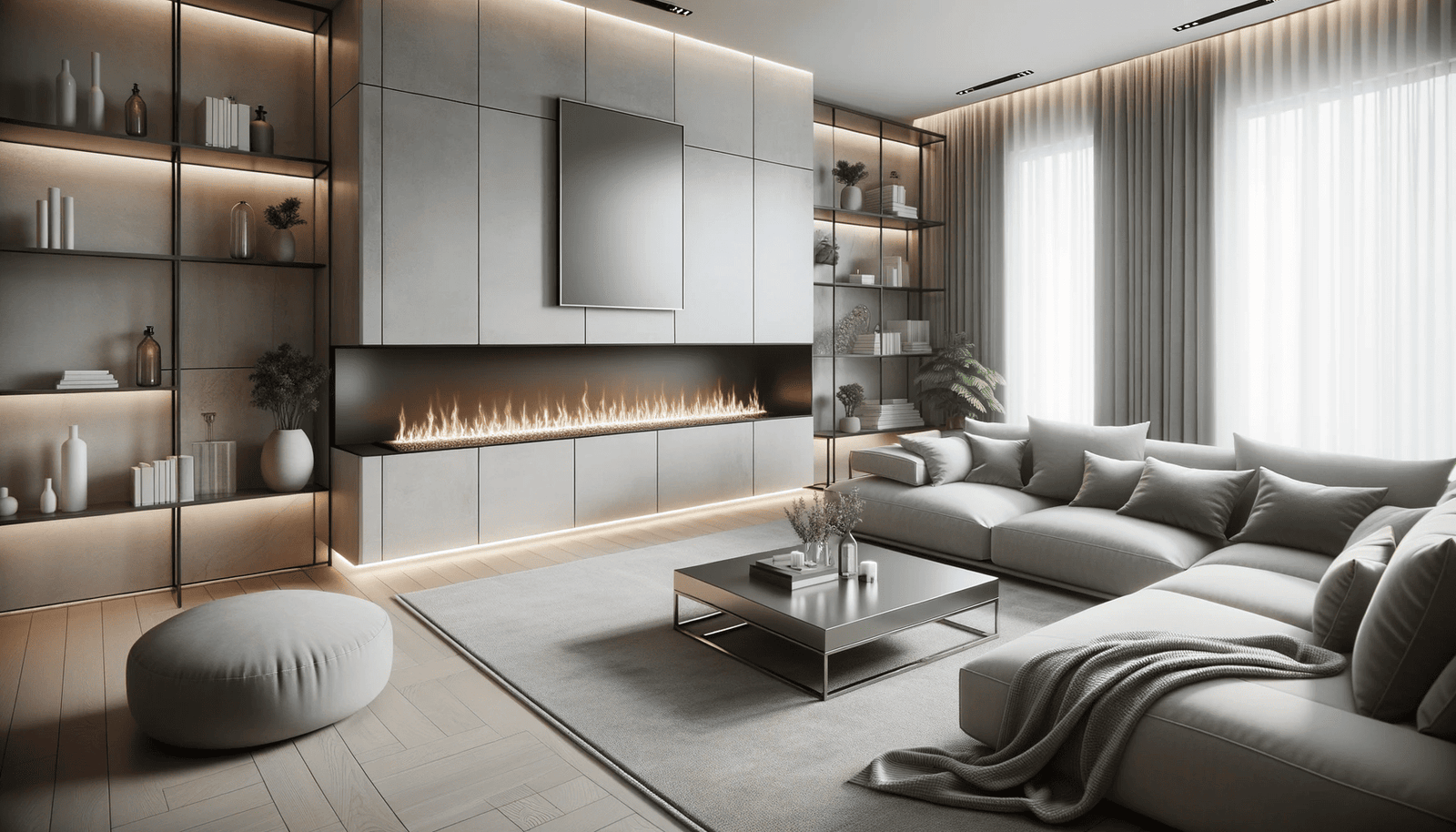
Unlike traditional wood-burning or gas fireplaces, ethanol fireplaces burn cleanly without generating smoke or soot, making them an excellent choice for environmentally conscious individuals. The design of ethanol fireplaces is sleek and contemporary, often featuring minimalist frames and transparent glass panels that allow for an unobstructed view of the mesmerizing flames.
They come in various sizes and styles, ranging from wall-mounted units to freestanding tabletop models, allowing homeowners to find the perfect fit for their living spaces. The versatility of ethanol fireplaces makes them ideal for both indoor and outdoor use, creating a captivating focal point while ensuring a warm and inviting atmosphere.
Clean Burning Beauty: The Science behind Ethanol Flames
Bioethanol fuel used in these fireplaces burns cleanly due to its high alcohol content. When ignited, bioethanol vaporizes quickly and efficiently at low temperatures, producing a vibrant flame with minimal emissions. This clean-burning process eliminates the need for chimneys or vents since no harmful by-products are generated during combustion.
To enhance safety during use, ethanol fireplaces are equipped with built-in safety features such as spillage sensors that automatically shut off the fuel supply if detected. Additionally, bioethanol is typically sold in sealed containers with child-resistant caps to prevent accidental ingestion.
While the heat output of ethanol fireplaces may be lower compared to wood-burning or gas alternatives, they still provide a pleasant warmth that can be enjoyed throughout the year. Some models even offer adjustable heat settings to customize the level of warmth based on personal preferences.
Conclusion
In a world where sustainability and environmental awareness are paramount, ethanol fireplaces offer an attractive option for those seeking both functionality and eco-consciousness. Not only do they provide a stunning visual display of dancing flames, but their clean-burning nature ensures a pollution-free experience without compromising warmth or ambiance.
By choosing ethanol fireplaces, individuals can embrace a greener lifestyle without sacrificing the cozy atmosphere that traditional fireplaces bring. Furthermore, the wide range of design options available enables homeowners to find the perfect ethanol fireplace that seamlessly integrates into their décor.
With its clean fuel source, innovative technology, and modern aesthetic appeal, the future of fireplace design is undoubtedly being shaped by ethanol fireplaces. By opting for these sustainable alternatives, we can all contribute to reducing our carbon footprint while still indulging in the timeless joy of gathering around flickering flames.