Introduction
Fireplaces have long been revered as a symbol of warmth, comfort, and tranquility. Throughout history, they have served as the heart of homes, providing a gathering place for families and friends to unwind and create cherished memories.
Despite the advancements in modern technology, fireplaces continue to be an indispensable feature in residential architecture. Beyond their aesthetic appeal, fireplaces offer practical benefits that make them a valuable addition to any home.
A timeless and functional addition to homes
From grand mansions to cozy cottages, fireplaces have stood the test of time as an architectural element that adds both beauty and functionality to living spaces. They serve as natural focal points within rooms, commanding attention with their mesmerizing flames dancing against a backdrop of crackling logs or glowing embers.
The ambiance created by a fireplace cannot be replicated by any other source – it imparts a sense of intimacy and charm that envelops inhabitants in its warmth. But fireplaces go beyond aesthetics; they also fulfill essential practical roles in households worldwide.
In colder climates, they provide much-needed heat during chilly winter months while reducing reliance on central heating systems and minimizing energy costs. Fireplaces can effortlessly transform cold spaces into cozy retreats where individuals can curl up with a good book or gather around with loved ones for heartfelt conversations.
The importance of understanding different types, styles, and benefits

With the multitude of fireplace options available today, it is crucial for homeowners to familiarize themselves with the different types, styles, and benefits before making an informed decision about which one best suits their needs and preferences.
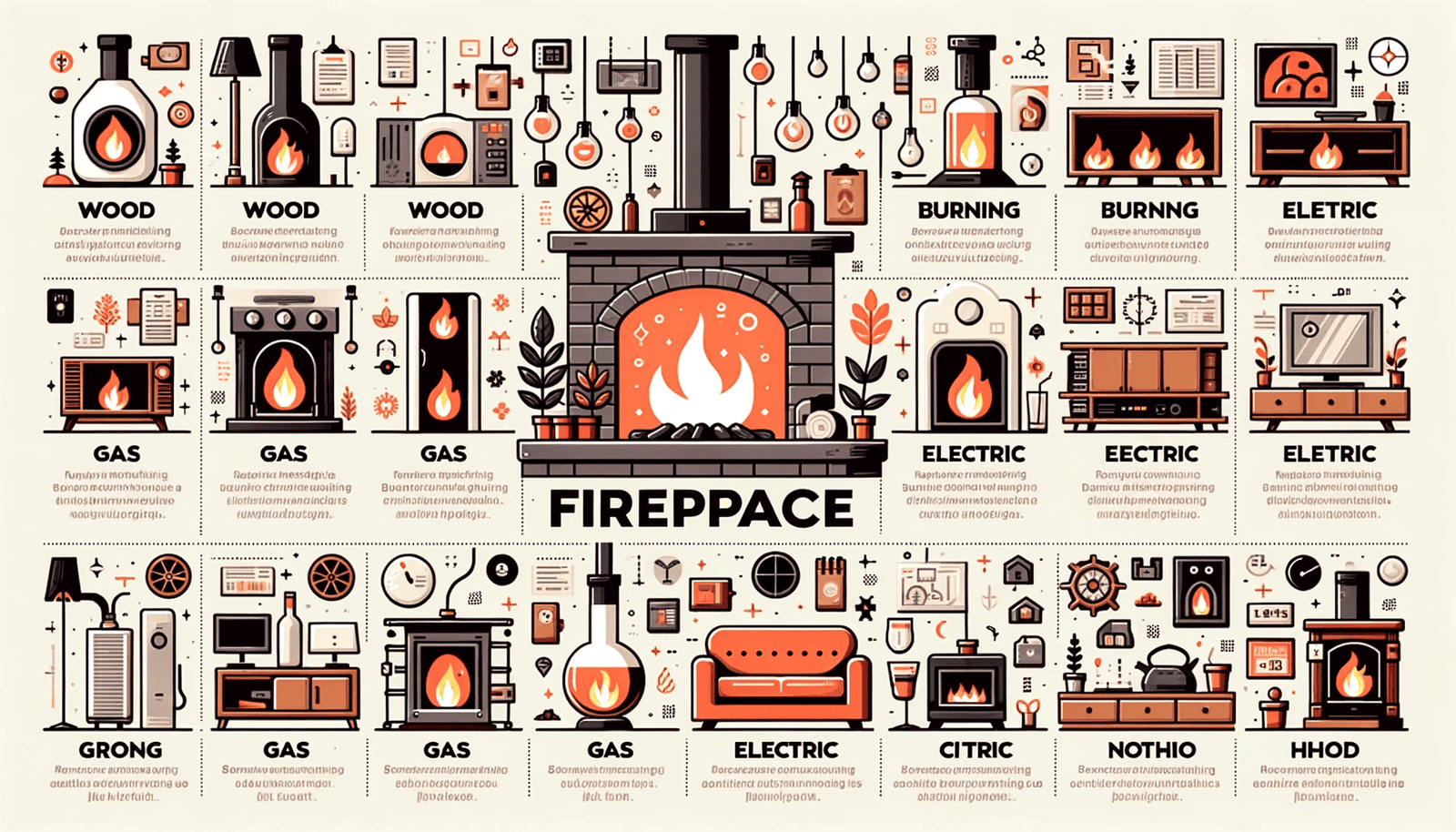
Each type offers unique advantages that cater to various lifestyles and requirements. Understanding the distinctions between traditional wood-burning fireplaces, gas fireplaces, electric fireplaces – along with their respective pros and cons – empowers homeowners to choose wisely based on factors such as ambiance desired, maintenance commitment tolerable, and overall energy efficiency.
Similarly, being aware of the diverse styles available allows individuals to align their fireplace choice with their interior design vision, whether it be classic and rustic, modern and minimalist, or something in between. By delving into the world of fireplaces with knowledge and appreciation for their types, styles, and benefits, homeowners can maximize both the visual impact and practicality of this timeless symbol of comfort within their living spaces.
Traditional Wood-Burning Fireplaces

A Symphony of Timelessness: Classic Charm and Crackling Sounds
When it comes to creating a cozy and nostalgic atmosphere, few things rival the charm of a traditional wood-burning fireplace. The mere presence of dancing flames instantly brings warmth and comfort to any living space.
The crackling sounds of logs as they slowly turn into embers are like a soothing melody that evokes memories of bygone eras. These fireplaces not only provide physical warmth but also ignite a sense of nostalgia and tranquility within us.
Authentic ambiance is one of the primary advantages offered by traditional wood-burning fireplaces. The sight of flickering flames casting their golden glow on the surrounding walls creates an ambiance that cannot be replicated by any other type of fireplace.
Additionally, these fireplaces emit high heat output, making them ideal for cold winter nights when you seek utmost warmth in your home. Furthermore, wood is often considered a cost-effective fuel source compared to gas or electricity since it can be obtained from sustainable sources or even gathered from fallen branches in your backyard.
However, it’s important to note some disadvantages associated with traditional wood-burning fireplaces. They require regular maintenance to ensure safe and efficient operation, including cleaning the chimney from creosote buildup and periodically inspecting for any structural issues.
Moreover, there is always a potential for smoke and ash when using wood as fuel, requiring proper ventilation to prevent indoor air pollution. Despite these drawbacks, the allure and authenticity offered by traditional wood-burning fireplaces make them timeless favorites among homeowners who appreciate their unique charm.
Gas Fireplaces
Captivating Convenience: Exploring Gas Fireplace Benefits
Gas fireplaces have gained immense popularity due to their convenience and ease-of-use in recent years.
Operating on natural gas or propane, these fireplaces offer an efficient and clean alternative to their wood-burning counterparts. With just the flip of a switch or push of a button, you can instantly ignite a beautiful flame that will add warmth and visual appeal to your living space.
Convenience is one of the standout advantages of gas fireplaces. Unlike wood-burning fireplaces, there’s no need to gather firewood, deal with messy ashes, or worry about maintaining a constant flame.
Gas fireplaces offer adjustable flame settings, allowing you to control the intensity of the fire with precision. This feature enables you to create the desired ambiance without any hassle.
Another advantage is cleanliness. Gas fireplaces produce minimal smoke, ash, and soot compared to wood-burning options.
This not only reduces maintenance needs but also ensures cleaner indoor air quality. Additionally, gas fireplaces eliminate the need for a chimney or flue system since they utilize direct venting or vent-free technology.
Consequently, installation becomes more flexible and cost-effective. However, it’s worth mentioning that gas fireplaces may lack the authenticity and nostalgic charm provided by traditional wood-burning ones.
Despite advancements in design, including realistic-looking logs and embers, gas flames cannot perfectly replicate the natural flickering movement of real wood fires. Another consideration is dependency on a gas supply for operation; any disruption in supply could affect your ability to use your fireplace during those chilly nights when you crave its inviting warmth.
Electric Fireplaces
Modern Elegance: Embracing Technological Advancements
Electric fireplaces have emerged as an innovative solution for those seeking both aesthetics and functionality in their homes. These modern creations utilize cutting-edge technology to simulate realistic flames while providing hassle-free operation.
Whether incorporated into existing mantels or installed as stand-alone units with customizable features, electric fireplaces offer versatility in design options that cater to various interior styles. One compelling advantage of electric fireplaces lies in their ease-of-use.
With a simple plug-and-play setup, you can enjoy the cozy ambiance of a fireplace without any complex installation processes or venting requirements. Moreover, modern electric fireplaces often come with remote controls and adjustable settings, allowing you to customize flame intensity and heat output according to your preference.
Energy efficiency is another noteworthy advantage of electric fireplaces. Unlike wood-burning or gas options, electric fireplaces don’t produce any harmful emissions or consume combustible fuel.
This not only makes them environmentally friendly but also reduces the risk of indoor air pollution. Additionally, with advanced heating technology, some models offer supplemental heat in an energy-efficient manner.
However, it’s important to be aware that electric fireplaces typically provide limited heat output compared to traditional wood-burning or gas alternatives. While they can effectively warm small-to-medium-sized rooms, they might struggle to heat larger spaces.
Therefore, if your primary goal is maximum warmth rather than visual appeal, other types might be more suitable for your needs. Understanding the types of fireplaces available is crucial for homeowners looking to introduce this timeless feature into their living spaces.
Traditional wood-burning fireplaces exude an unparalleled charm and offer high heat output while requiring proper maintenance and dealing with smoke and ash concerns. Gas fireplaces provide convenience and cleanliness but may lack the authenticity sought by some individuals.
Electric fireplaces embrace modern elegance through user-friendly features and energy efficiency; however, they may have limitations in terms of heating capabilities. By considering these aspects alongside personal preferences and practical considerations, one can make an informed decision regarding which type of fireplace best suits their lifestyle and home aesthetics.
Styles of Fireplaces
Classic Brick or Stone Fireplaces

When it comes to capturing the essence of warmth and nostalgia, few things can compete with the timeless appeal of a classic brick or stone fireplace. These traditional fireplaces exude an air of elegance and durability that has withstood the test of time.
The natural textures and earthy colors of bricks or stones create a warm and inviting atmosphere, perfect for cozying up on chilly evenings. Not only do these fireplaces provide a functional heating source, but they also serve as focal points in any room, adding character and charm to both contemporary and traditional spaces.
In terms of construction materials, limestone and marble are particularly popular choices due to their durability and aesthetic qualities. Limestone often boasts a soft neutral color palette with unique veining patterns that add depth to the fireplace design.
On the other hand, marble is synonymous with luxury, featuring stunning variations in color and veining that make each piece truly one-of-a-kind. Both materials bring a touch of sophistication to any space while ensuring the longevity of the fireplace for generations to come.
Modern Minimalist Fireplaces
For those seeking sleek sophistication without compromising functionality, modern minimalist fireplaces offer an understated yet striking design aesthetic. These fireplaces embrace clean lines, simple forms, and minimalistic features that effortlessly blend into contemporary living spaces. Typically constructed using materials like stainless steel or tempered glass, these fireplaces exude a sense of modernity while providing an exceptional focal point within any room.
The use of stainless steel adds a touch of industrial chic to the fireplace design. Its reflective surface creates visual interest by bouncing light around the room while maintaining a cool ambiance even when not in use.
On the other hand, tempered glass offers transparency that allows unobstructed views of dancing flames from multiple angles while making spaces feel more open and spacious. Both materials contribute to the overall minimalist aesthetic, creating a sense of sleekness and sophistication that complements modern interior design trends.
Rustic or Country-Style Fireplaces
For those who long for the charm of bygone eras and picturesque countryside settings, rustic or country-style fireplaces are the epitome of cozy comfort. These fireplaces embody a warm and inviting atmosphere, reminiscent of traditional cottages or log cabins. Exposed wood beams and reclaimed bricks are key elements that help to create this unique ambiance.
The raw beauty of natural wood beams brings warmth and texture to the space while evoking a sense of nostalgia. Additionally, incorporating elements like mantels made from salvaged barnwood further enhances the rustic feel.
The weathered appearance and rich history of these reclaimed materials add character and authenticity to the fireplace’s design, making it a true centerpiece in any room.
Whether placed in a cabin nestled deep in the woods or adorning an urban dwelling seeking a touch of countryside charm, rustic fireplaces never fail to evoke feelings of comfort, serenity, and connection with nature.
Conclusion
Fireplaces have long been beloved features in homes around the world for their ability to provide warmth, ambiance, and architectural interest. Understanding different fireplace styles helps homeowners select one that perfectly complements their personal taste and interior design preferences.
Whether opting for classic brick or stone fireplaces with their timeless appeal; embracing sleek modern minimalist designs with stainless steel or tempered glass; or creating a cozy setting with rustic country-style fireplaces featuring exposed wood beams and salvaged barnwood mantels—the options are endlessly captivating.
Investing in a fireplace not only adds value to your home but also creates cherished moments spent by its side—a crackling fire igniting conversations or simply offering solace after a long day’s work. So why not indulge in the magic that only a well-designed fireplace can provide, enriching your living space and warming your heart?